Originally Posted July 2014 -Updated April 2026 On 20 July 2014 it was the 45th anniversary of the first crewed Moon landing. To commemorate this. I thought that I'd re-post an earlier article which discussed the first Moon landings. My next article, which I will post next week, will be on the subject of space… Continue reading First Humans on the Moon
Tag: Astronomy
Astronomy Items
Manned Missions to the Moon
Welcome Welcome to the latest post from the Science Geek. This post, which is part of a series on the Moon, discusses manned exploration of the Moon. I hope you enjoy reading it and, as always, please let me know if you have any comments. I would also like, once again, to thank Mrs Geek… Continue reading Manned Missions to the Moon
The Days are Getting Longer
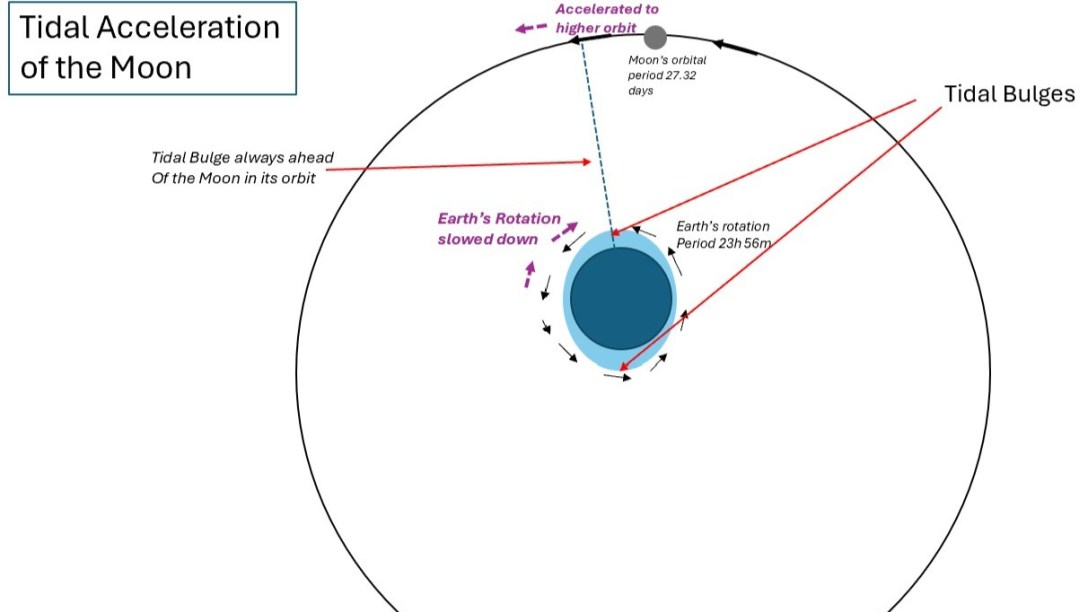
The Moon's gravitational influence creates tides on Earth, with tidal bulges occurring on both sides of the planet. This interaction gradually slows Earth's rotation, lengthening days and causing the Moon to drift away at about 3.8 cm per year. Past proximity may have facilitated the emergence of early life due to stronger tidal forces.
The Moon – Our Nearest Neighbour
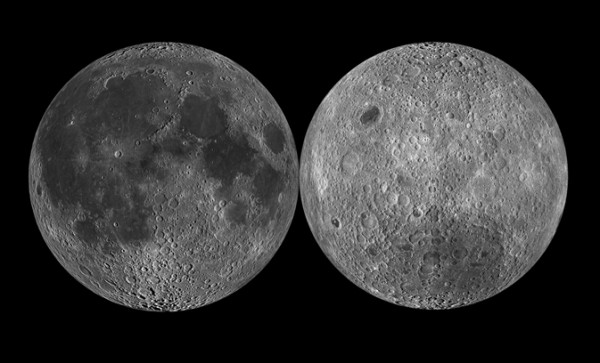
The Moon, Earth's closest neighbor, has captivated humanity for centuries, with its distinct phases observable over a 29.5-day cycle. While it appears similar in size to the Sun, its distance affects visibility during eclipses. The enigmatic far side remains a source of mystery and conspiracy theories, revealed only through space exploration.
How Would We Get to Enceladus ? (a brief overview)
Updated 10 December 2025 This post continues my previous two posts on Saturn's icy Moon Enceladus which many scientists now believe is the most likely place in the solar system, other than the Earth, to harbour life. and discusses how we might get there Image from NASA There are two possibilities . (a) the… Continue reading How Would We Get to Enceladus ? (a brief overview)

