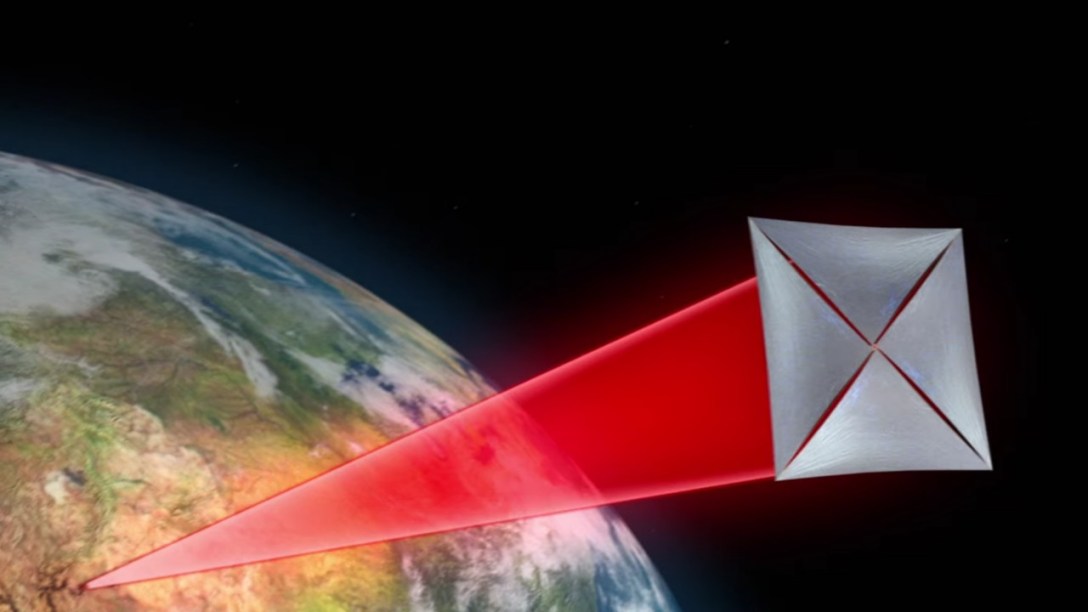
Breakthrough Starshot announced back in 2016, was an extremely ambitious project to send a fleet of miniature spacecraft powered by powerful lasers to Proxima Centauri, the nearest star to our Solar System.
Astronomy Items
Breakthrough Starshot announced back in 2016, was an extremely ambitious project to send a fleet of miniature spacecraft powered by powerful lasers to Proxima Centauri, the nearest star to our Solar System.
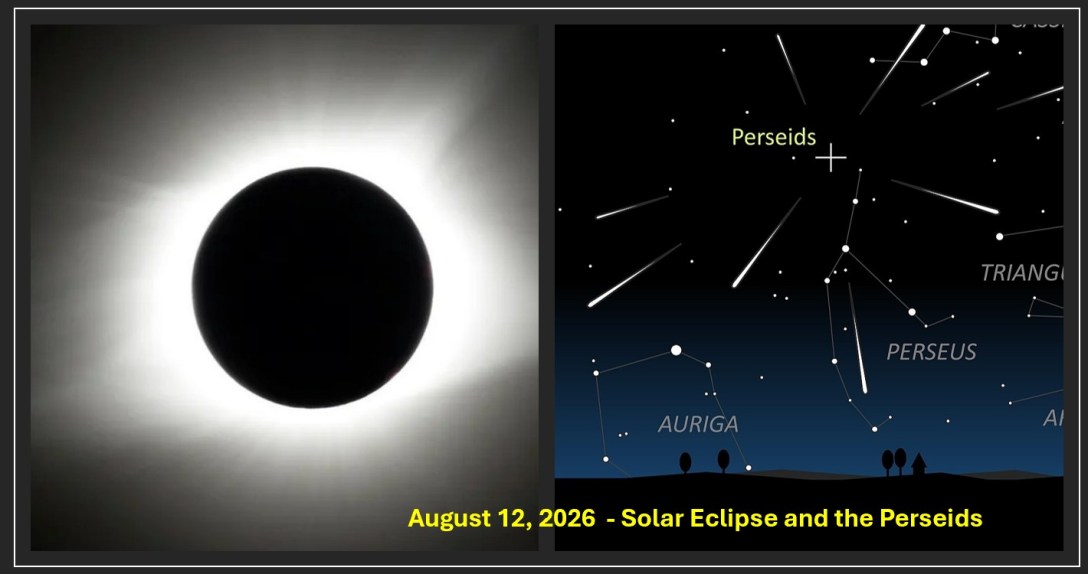
On the night of August 12/13, the Perseids meteor shower will peak, coinciding with a solar eclipse visible as a total eclipse in northern Spain and a partial eclipse in much of the remainder of Europe.
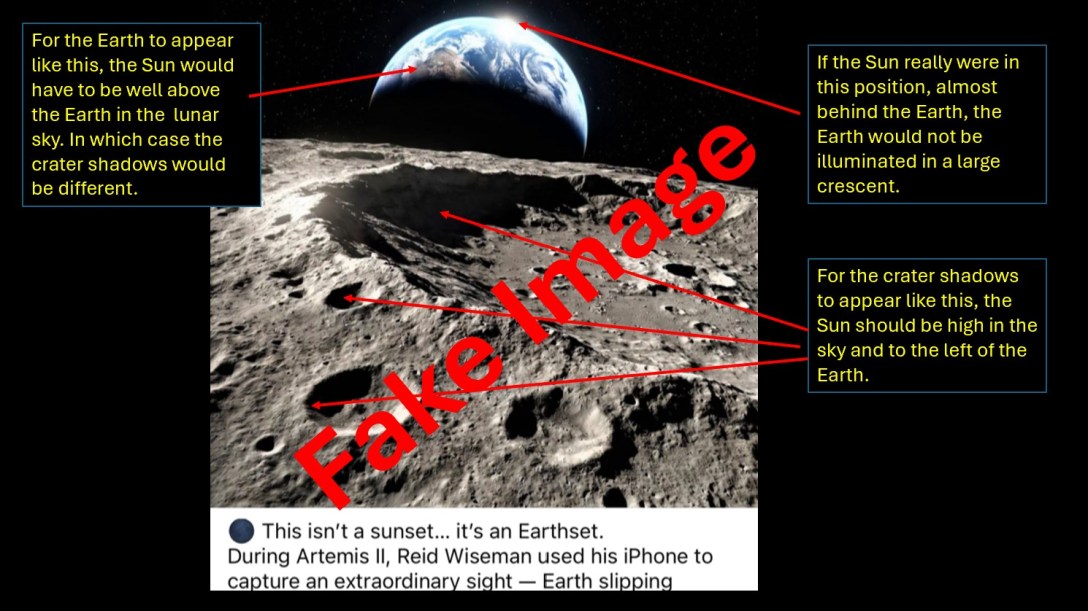
The proliferation of social media accounts sharing astronomical content has led to a significant amount of misleading and inaccurate information, primarily driven by engagement rather than accuracy. Facebook's algorithm favors sensationalist, low-effort posts, often created with minimal knowledge, diminishing the reliability of astronomical information on the platform.
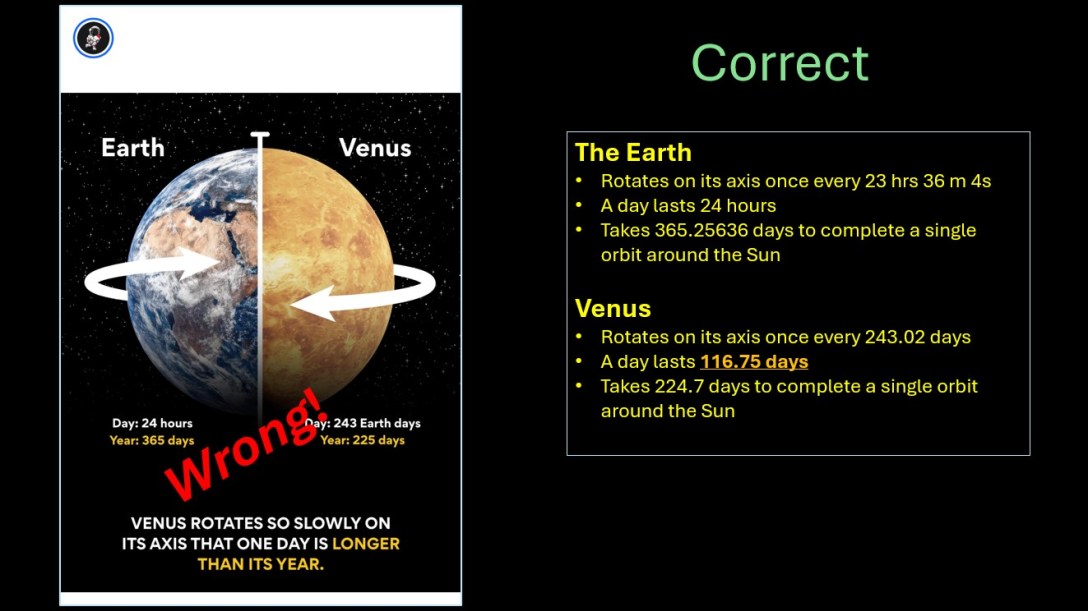
The post clarifies the distinction between a planet's rotation period and its day length, emphasizing that for planets like Venus and Mercury, these can differ significantly. It explains the calculation of a day length and examines prograde and retrograde rotation, revealing misconceptions found in popular science.
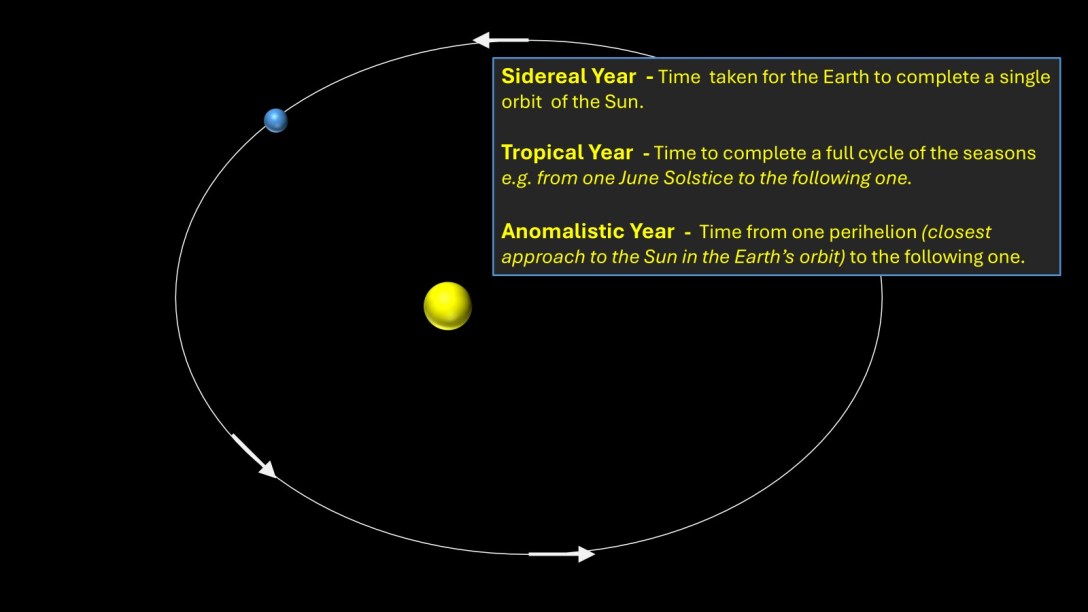
The post explains that a year is defined by Earth's orbital motion around the Sun, encompassing three types: the sidereal year (365.256 days), the tropical year (approximately 365.242 days), and the anomalistic year (365.259 days). It discusses their lengths, differences, and the implications for calendars, notably the transition from the Julian to the Gregorian calendar to align with seasonal changes.

