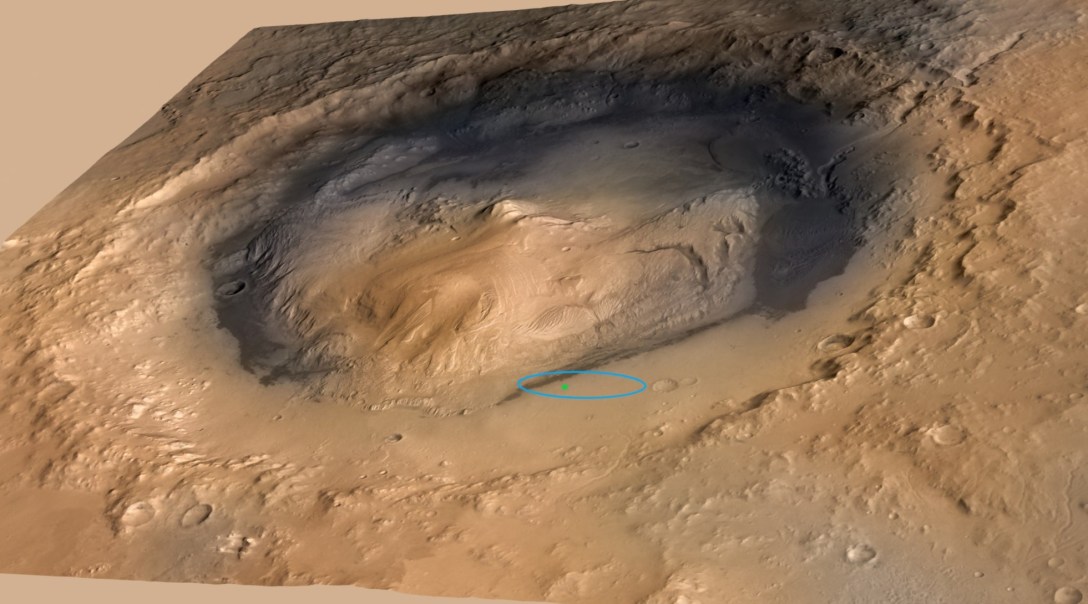
In 2014, NASA's Curiosity rover detected methane on Mars, suggesting an unknown replenishing process due to its short atmospheric lifespan. While Earth's methane largely originates from biological sources, the Martian findings remain ambiguous. Subsequent missions, including ESA's Trace Gas Orbiter, reported no detectable methane, deepening the mystery.
Tag: esa
What Went Wrong with the Schiaparelli Mars landing
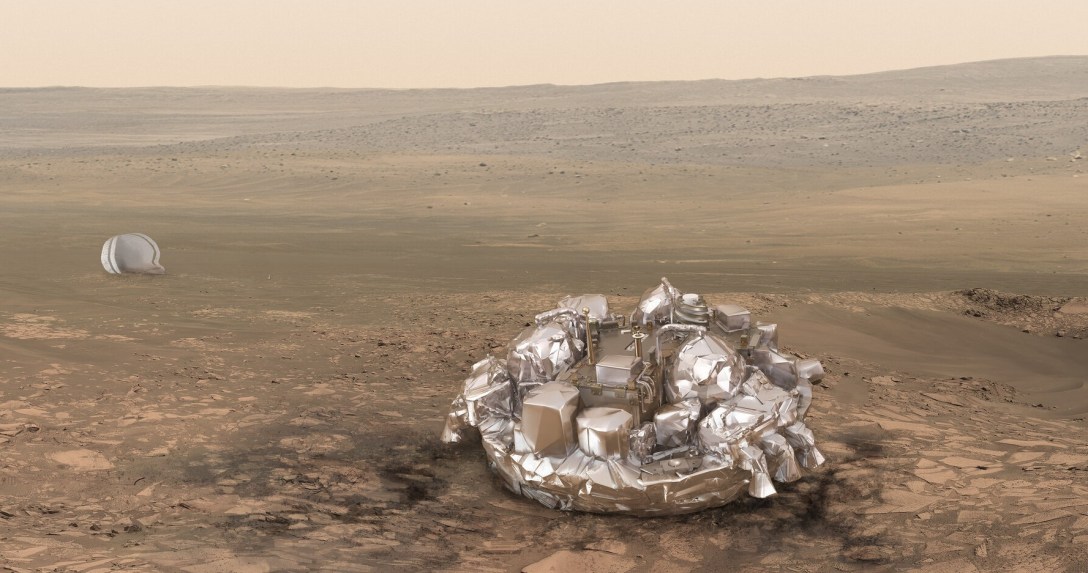
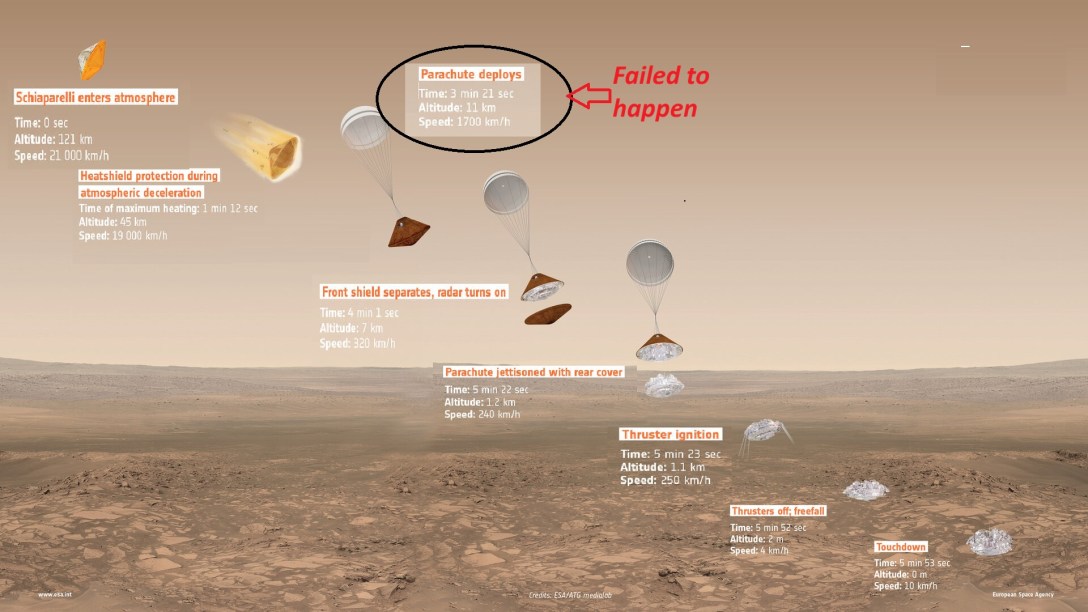
The Schiaparelli probe tragically failed to land on Mars due to its parachute malfunctioning, resulting in a crash at high speed. Despite this setback for the European Space Agency, the ExoMars Trace Gas Orbiter remains successful, set to study methane in the Martian atmosphere, making the overall mission worthwhile.
Schiaparelli’s landing on Mars
The Schiaparelli Spacecraft tragically failed to land on Mars, crashing at 300 km/h. Launched on March 14, 2016, with the ExoMars Trace Gas Orbiter, it aimed to study Martian surface conditions. It only planned to be operational for a week because it lacked solar panels, relying solely on a non-rechargeable battery.
ExoMars TGO: Tracking Methane in the Martian Atmosphere
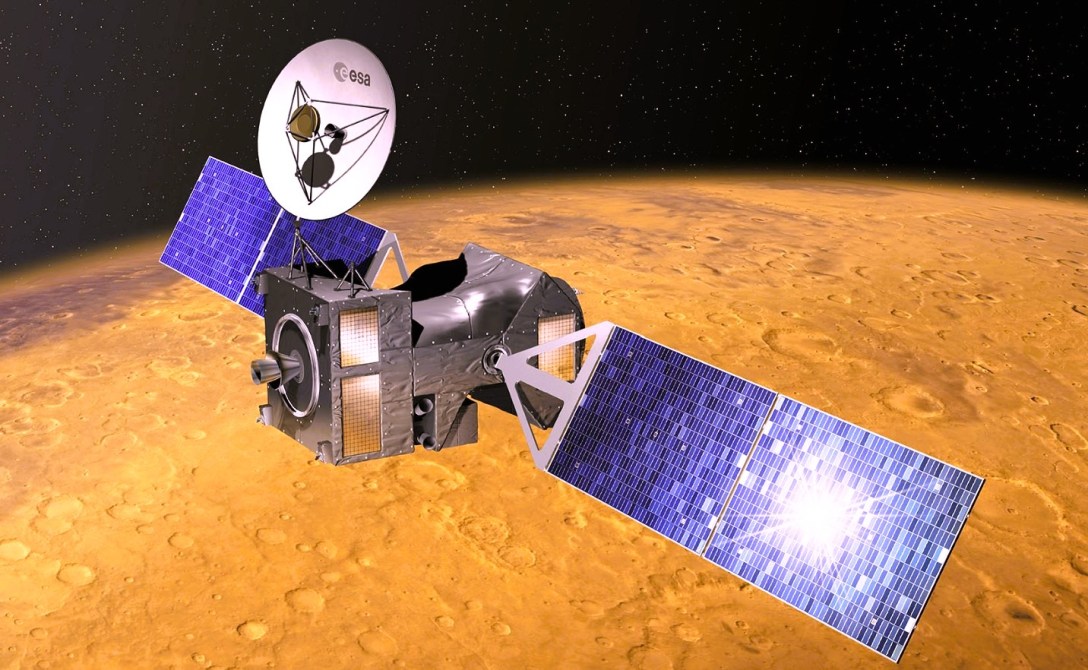
The ExoMars Trace Gas Orbiter, launched in 2016, aimed to study methane on Mars, a gas that might indicate geological or biological activity. Initially suspected to exist in trace amounts, recent findings revealed no detectable methane, leading to questions about previous measurements and highlighting mysteries around Mars' atmospheric composition.