
Not many people know this but the middle of September, has the shortest solar days of the year. I’ve decided to re-blog my post from 2015 on this interesting fact.
Not many people know this but the middle of September, has the shortest solar days of the year. I’ve decided to re-blog my post from 2015 on this interesting fact.
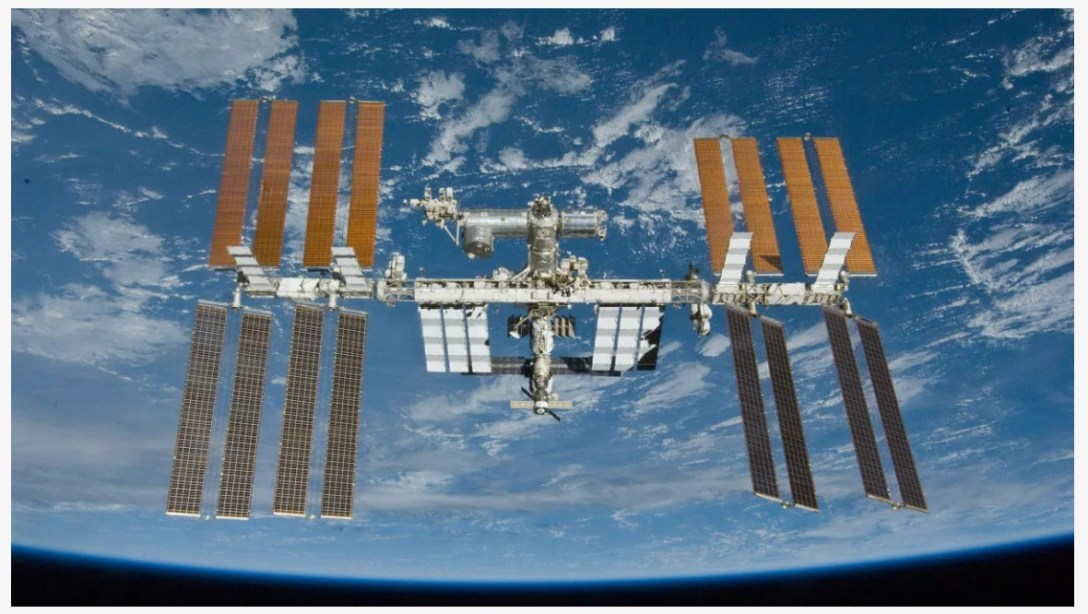
The International Space Station (ISS), initiated in 1998 with the launch of the Zarya module, symbolizes global cooperation, mainly between the US and Russia. Manned since November 2000, its construction relied heavily on the Space Shuttle program. Research on the ISS focuses on microgravity effects, including impacts on human health and material sciences. Transport is facilitated by Soyuz and SpaceX Dragon spacecraft.
Update May 2026 This post has been replaced by the post: Twenty Years of the International Space Station
On 27 July 2018 there will be a total eclipse of the Moon, which will be viewable from many areas of the world. This will be the first total lunar eclipse able to be observed in the UK for nearly three years and it will be worth making the effort to see, especially since, for… Continue reading Lunar eclipse 27 July 2018
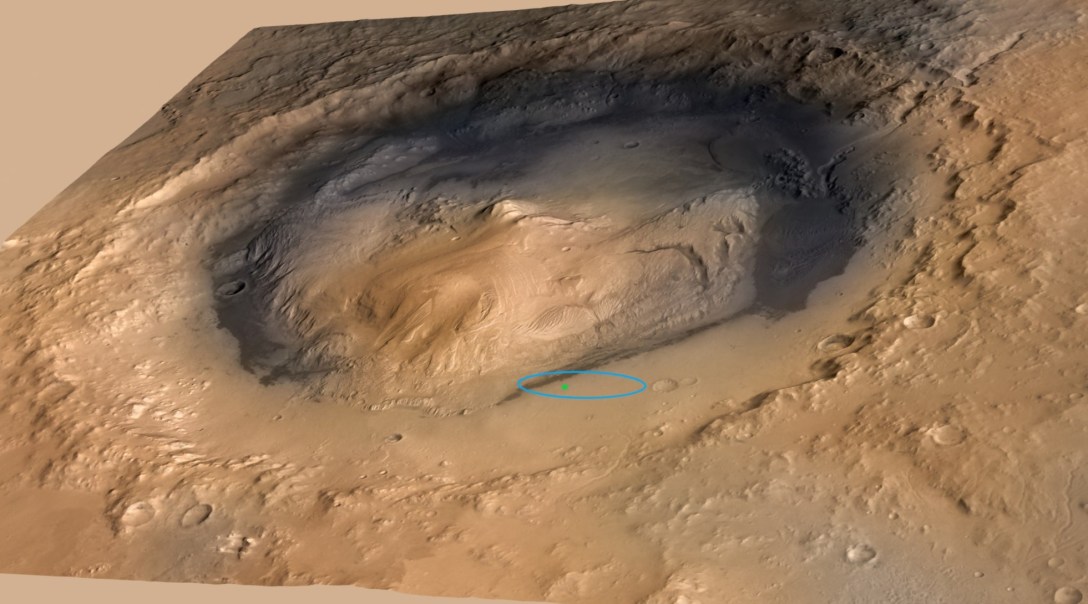
In 2014, NASA's Curiosity rover detected methane on Mars, suggesting an unknown replenishing process due to its short atmospheric lifespan. While Earth's methane largely originates from biological sources, the Martian findings remain ambiguous. Subsequent missions, including ESA's Trace Gas Orbiter, reported no detectable methane, deepening the mystery.

