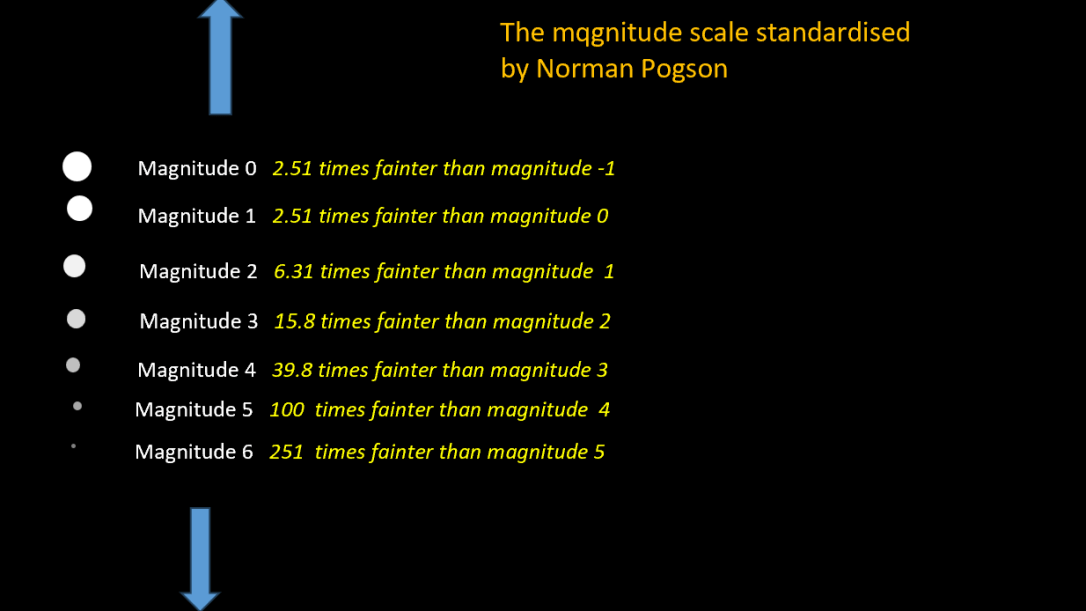
Astronomers use the magnitude scale to measure the brightness of celestial objects, originally developed by Greek astronomers. Standardized by Norman Pogson in 1856, the scale uses whole and fractional values. Today, it encompasses all luminous objects, with both apparent and absolute magnitudes.
Category: General
Guide to Observing the Perseids Meteor Shower 2024
The night of 12/13 August will be the peak of the Perseids, one of the most famous prolific meteor showers. Meteors (also known as shooting stars) are bright streaks of light caused by small lumps of rock or metal called meteoroids hitting the Earthโs atmosphere at very high speed (in the case of the Perseids around 200,000 km/h).… Continue reading Guide to Observing the Perseids Meteor Shower 2024
Sirius: The Dog Star and Its History
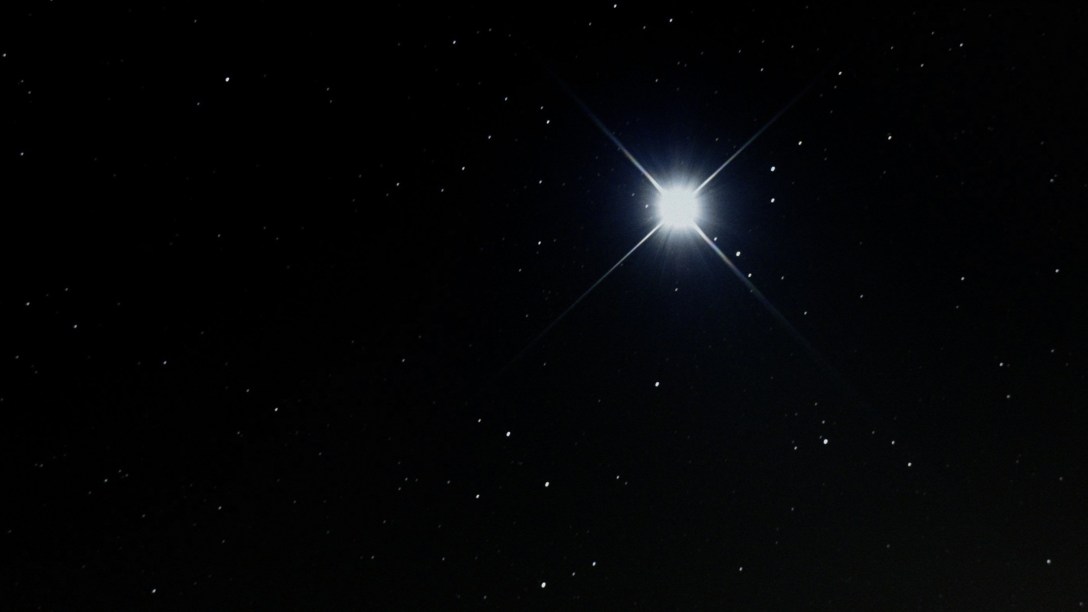
Updated Marck 2026 As most people with an interest in astronomy know, Sirius is the brightest star in the night sky. On the magnitude scale used by astronomers it has a magnitude of -1.46, easily outshining all other stars. The apparent brightness of a star depends on two factors: how luminous it is (its intrinsic… Continue reading Sirius: The Dog Star and Its History
COP26 Two years on
On 30 November 2023 the 28th United Nations Climate Change conference (COP 28) will open at Expo City, Dubai My somewhat pessimistic view is that our chances of significantly reducing carbon dioxide levels in the atmosphere over the next 10-15 years or so donโt look particularly promising - mainly because there is the competing objective… Continue reading COP26 Two years on
The Lyrids 2023
The night of 22/23 April 2023 will be the peak of the Lyrids, one of the most famous prolific meteor showers. Meteors (also known as shooting stars) are bright streaks of light caused by small lumps of rock or metal called meteoroids hitting the Earthโs atmosphere at very high speed. As they pass through the atmosphere they get… Continue reading The Lyrids 2023