Christmas Day – December 25th or January 7th?

Merry Christmas to all my readers and followers and I wish you all a happy New Year. The majority of people who celebrate Christmas Day, whether for religious or cultural reasons or both, do so on 25 December.  However, followers of the Orthodox churches generally celebrate Christmas Day thirteen days later, on January 7. The reasons… Continue reading Christmas Day – December 25th or January 7th?

December 31 2016 Leap Second

On New Year's Eve an extra second will be added to the end of the day. This extra second is called a leap second. As I'll explain later, leap seconds need to be added periodically to bring the time we measure with accurate atomic clocks in line with the natural time which results from the rotation of the… Continue reading December 31 2016 Leap Second

The long summer evenings

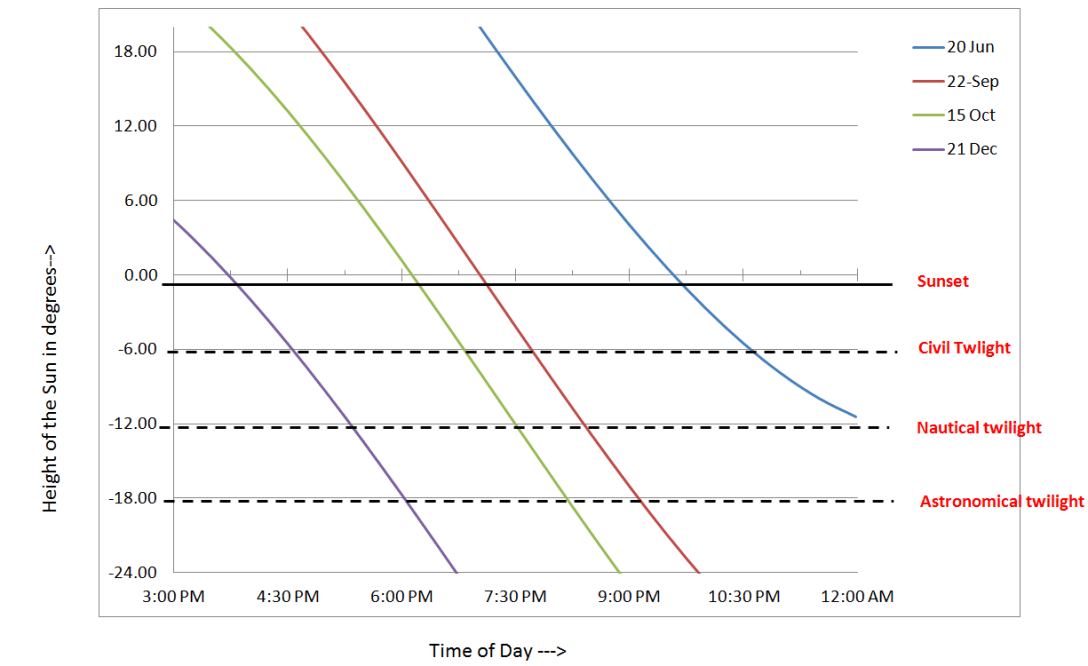
This post talks about two interesting effects to do with the way it get dark after the Sun has set.  The first one, which anyone who has travelled to places lying at different latitudes will have seen, is that the closer you are to the equator the quicker it gets dark after the Sun has… Continue reading The long summer evenings

June 20- The Solstice

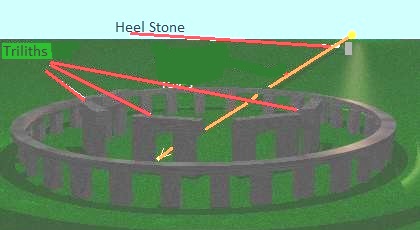
The June solstice will fall on June 20 or June 21 this year, depending on where you are in the world.  It is the longest day in the northern hemisphere and the day when the Sun is at its highest in the midday sky (see note). The origin of the word solstice is from the Latin words sol,… Continue reading June 20- The Solstice

Easter – 27 March 2016

This year, for the majority of Christians, 27 March will be Easter Sunday, one of the most of the most important dates in the Christian calendar. Although Easter is a is a festival celebrating the resurrection of Jesus Christ from the dead, it is also widely marked by non-Christians in the UK, particularly as there are two very welcome public… Continue reading Easter – 27 March 2016