The Quiet Demise of the Leap Second

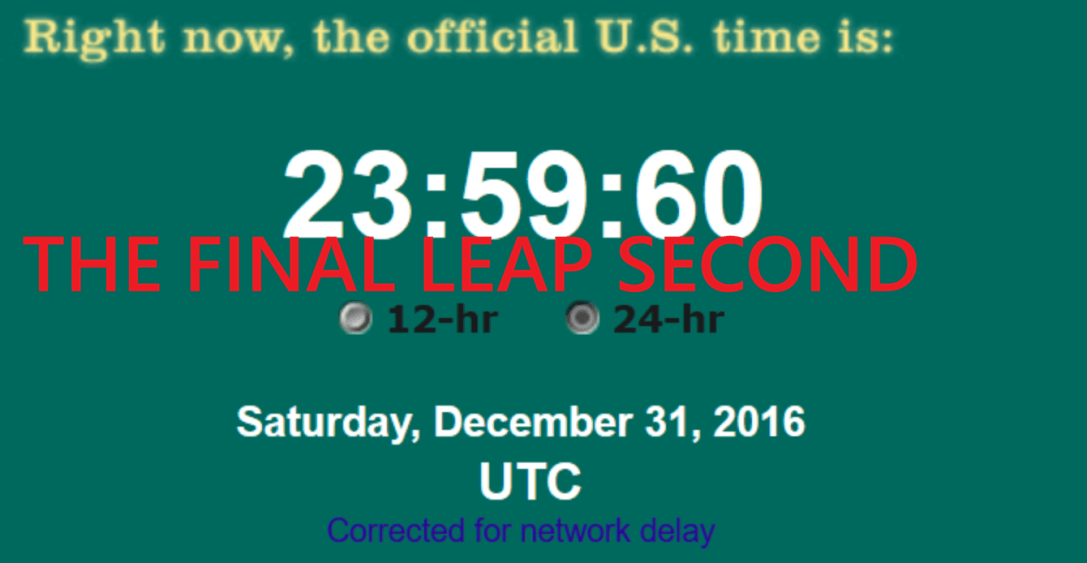
Announcement of the final leap second 31 December 2016

In October 2026, the International Bureau of Weights and Measures decided to abolish leap seconds, which were additional seconds added at the end of June or December This change will allow UTC to gradually drift from mean solar time, potentially requiring a leap hour in thousands of years. The final leap second occurred on December 31, 2016.
Daylight Saving Time: History, Benefits, Pitfalls and Decline

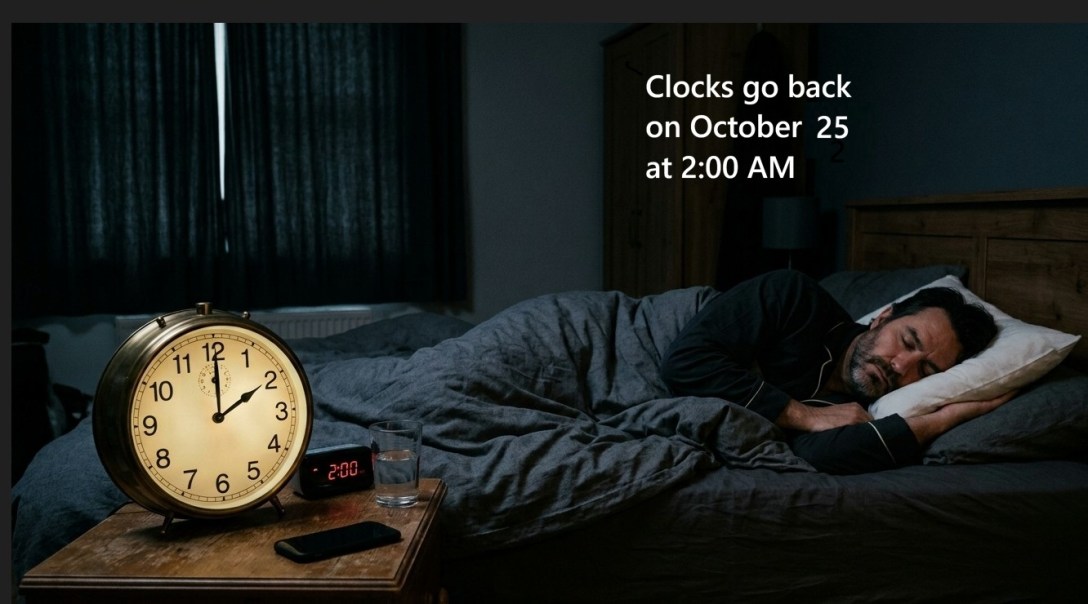
Sleeping man with caption clocks go back 25 October at 2 AM

At 2 AM local time on Sunday 25 October, the UK like most of Europe will put it clocks back by one hour as Daylight Saving Time (DST) ends. Most of the USA will follow a week later. In this post give an overview of DST, its pros and cons, why this practice is falling into disuse.

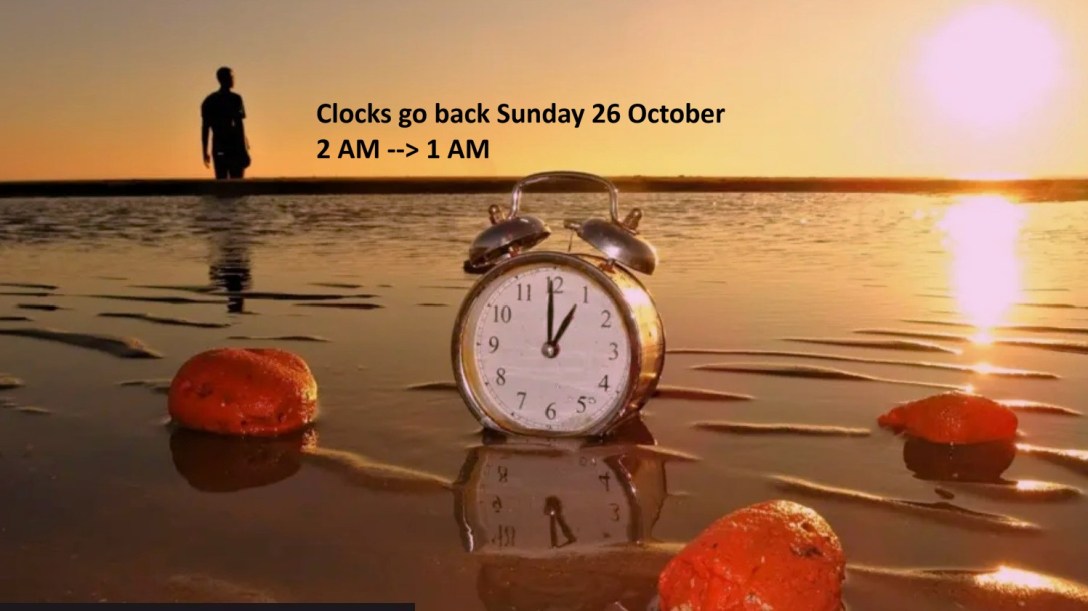
The Clocks go Back 26 October 2025

Clocks back as daylight saving time ends

Originally posted October 2025 Revised March 2026 At 0100 UTC (2 AM local time) on Sunday 26 October, the UK like most of Europe will put it clocks back by one hour as is comes to an end of Daylight Saving Time. Most of the USA will follow a week later. In this post I'll… Continue reading The Clocks go Back 26 October 2025

Twice Yearly Clock Changes

At 0100 UTC (2 AM local time) on Sunday 27 October, the UK like most of Europe will put it clocks back by one hour at is comes to an end of Daylight Saving Time. Most of the USA will follow a week later. In this post I'll give an overview of DST and why… Continue reading Twice Yearly Clock Changes

Farewell to the Leap Second: How Our Timekeeping Is Changing

Announcement of the final leap second 31 December 2016

In October 2026, the International Bureau of Weights and Measures decided to abolish leap seconds , ratifying an earlier decision made in November 2022. This change allows UTC to drift from mean solar time, potentially requiring a leap hour in thousands of years. The final leap second occurred on December 31, 2016.