Lunar Stationary Orbits: Why They are Impossible

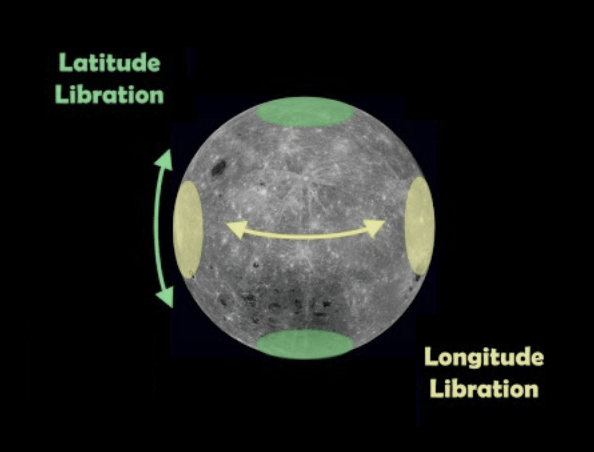
A friend of mine recently asked me whether it was possible to have a lunar-stationary orbit. This would be the equivalent of a geostationary orbit, but around the Moon rather than the Earth.   To an observer on the Moon, a lunar-stationary satellite would appear fixed in the sky and if a dish were pointed… Continue reading Lunar Stationary Orbits: Why They are Impossible

The Perseids Meteor Shower 2025

The night of  12/13  August will be the peak of the Perseids, one of the most famous prolific meteor showers. Meteors (also known as shooting stars) are bright streaks of light caused by small lumps of rock or metal called meteoroids hitting the Earth’s atmosphere at very high speed (in the case of the Perseids around 200,000 km/h).… Continue reading The Perseids Meteor Shower 2025

Twilight and the Long Summer Evenings

For those of us in the Northern Hemisphere we're in that time of year when there is the most daylight. In this post I’ll talk about the long long summer evenings: not only does the Sun set later at this time of year but the amount of twilight, after Sun has set but it is… Continue reading Twilight and the Long Summer Evenings

NASA’s Artemis Moon Missions

In March 2019 the American Vice President Mike Pence surprised many people when he announced an extremely ambitious plan to put American astronauts on the Moon in 2024. NASA named its new crewed Moon programme Artemis, after Apollo’s sister in Greek mythology. Perhaps unsurprisingly, the dates have slipped since this extremely ambitious announcement. After numerous… Continue reading NASA’s Artemis Moon Missions

June 21 2025 – the solstice

In 2025, for most people in the world the June solstice will fall on 21 June.  For those of us living in the the Northern Hemisphere, it is the day of the year when there is the most daylight. The origin of the word solstice is from two Latin words:  sol, which means Sun, and sistere, to… Continue reading June 21 2025 – the solstice