
The Oort Cloud, theorized by Jan Oort in 1950, is a vast, icy structure beyond the Solar System, containing trillions of objects. It is divided into the sparse outer cloud and the denser, doughnut-shaped inner cloud. Evidence for its existence includes the orbits of long-period comets. Galactic tides and interactions with giant planets likely contributed to its formation and distribution of icy bodies.
Tag: Comets
11-12 August 2020 – the Perseids
For revised post containing more tips on how to view the Perseids see The Perseids 2021. Meteors (also known as shooting stars) are bright streaks of light caused by small lumps of rock or metal called meteoroids hitting the Earth's atmosphere at a very high speed (in the case of the Perseids around 200,000 km/h). As… Continue reading 11-12 August 2020 – the Perseids
12-13 August 2019 – the Perseids
For revised post containing more tips on how to view the Perseids see The Perseids 2021. Meteors (also known as shooting stars) are bright streaks of light caused by small lumps of rock or metal called meteoroids hitting the Earth's atmosphere at a very high speed (in the case of the Perseids around 200,000 km/h). As… Continue reading 12-13 August 2019 – the Perseids
12-13 August 2017 – the Perseids
For revised post containing more tips on how to view the Perseids see The Perseids 2021. Anyone who is disappointed that they will be missing the total eclipse can console themselves with another astronomical event - providing that they live in the northern hemisphere, that the weather is favourable (no clouds, please) and that they… Continue reading 12-13 August 2017 – the Perseids
The Perseids
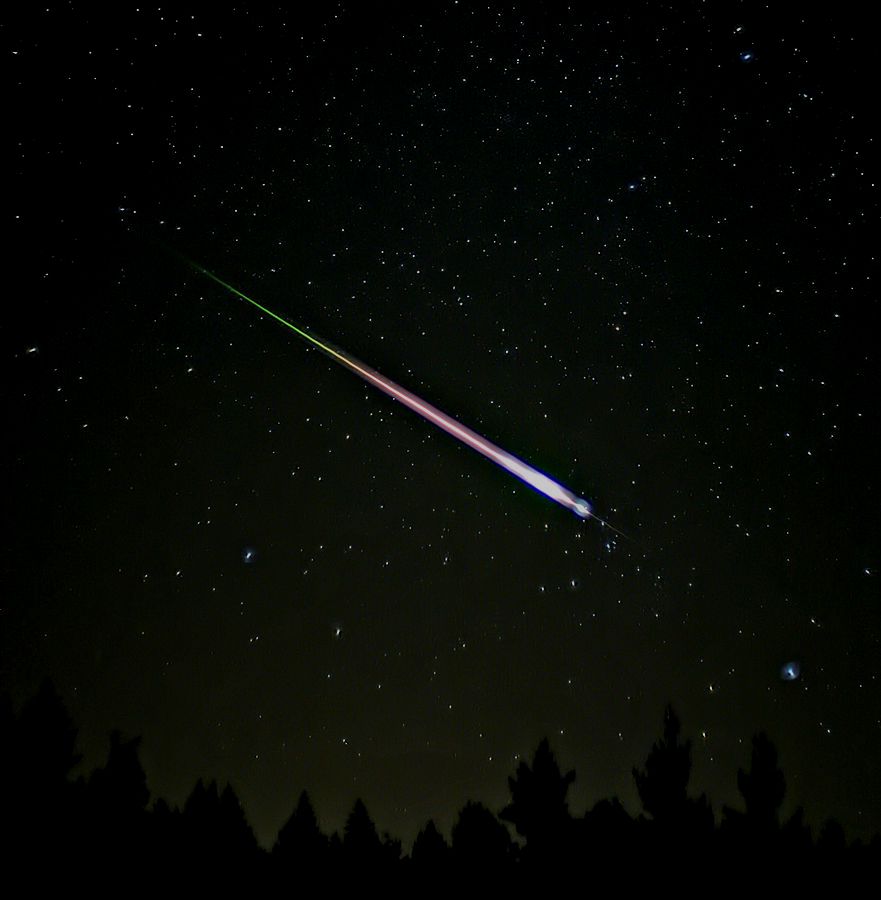
For revised post containing more tips on how to view the Perseids see The Perseids 2021. On 12 August you may be lucky enough - if it's a clear night and you are somewhere without too much light pollution - to see a phenomenon called the Perseids, which is a meteor shower which appears at… Continue reading The Perseids
 Explaining Science