
Many of you will have seen the story widely reported in the media of the discovery of the gas phosphine in the clouds of Venus - if not, you can find the story here: https://www.bbc.co.uk/news/science-environment-54133538. On Earth phosphine is produced by bacteria and it has led to the interesting speculation as to whether there could be… Continue reading Life on Venus?
Tag: Mars
Mars
Why Venus Shines Brightly
Updated 22 November 2025 Anyone, even the most casual observer, looking at the evening sky in the last month will have noticed the brilliant white planet Venus shining in the west. Often known as the Evening Star, Venus is the third brightest natural object in the sky after the Sun and the Moon. In this… Continue reading Why Venus Shines Brightly
The Martian Methane Mystery
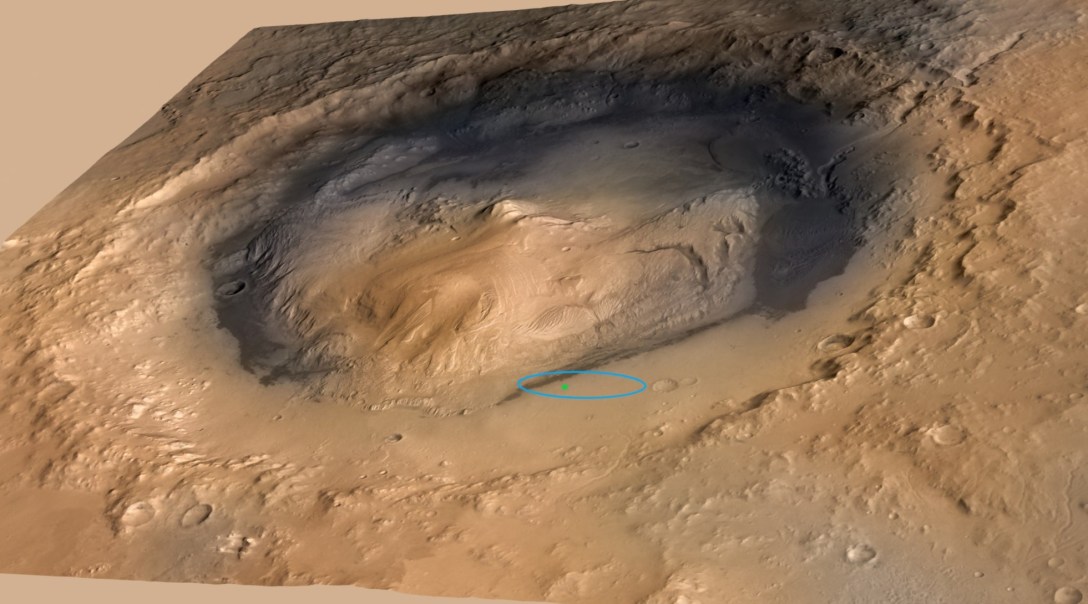
In 2014, NASA's Curiosity rover detected methane on Mars, suggesting an unknown replenishing process due to its short atmospheric lifespan. While Earth's methane largely originates from biological sources, the Martian findings remain ambiguous. Subsequent missions, including ESA's Trace Gas Orbiter, reported no detectable methane, deepening the mystery.
Enceladus -Could there be life?
Three years ago my first ever post was about Saturn's moon Enceladus. It is interesting that once again this small moon is in the headlines as a possible place on which there could be life. https://www.nasa.gov/press-release/nasa-missions-provide-new-insights-into-ocean-worlds-in-our-solar-system The Science Geek
The Evening Star-Venus.
Anybody who has looked up into the western sky after sunset in the past month will have noticed a brilliant white object - the planet Venus, sometimes called the Evening Star. It is brighter than any other planet and ten times brighter than the brightest star Sirius. The "Evening Star" Venus next to the Moon… Continue reading The Evening Star-Venus.

