
How the length of a day changes over the year

The length of a solar day varies throughout the year, ranging from about 23 hours 59 minutes 38 seconds in mid-September to 24 hours 30 seconds around Christmas. This variation is caused by the Earth's elliptical orbit and axial tilt, affecting the Sun's apparent motion and leading to differences in natural time measured by sundials versus clock time.
Jun 30 2015 – Leap Second

On June 30 2015 an extra second will be inserted into the very end of the day. This extra second is called a leap second.   Why do we need leap seconds? Although we take the average length of a day to be 24 hours, the mean solar day, or average "natural" day measured by the… Continue reading Jun 30 2015 – Leap Second

Easter Sunday 5-th April

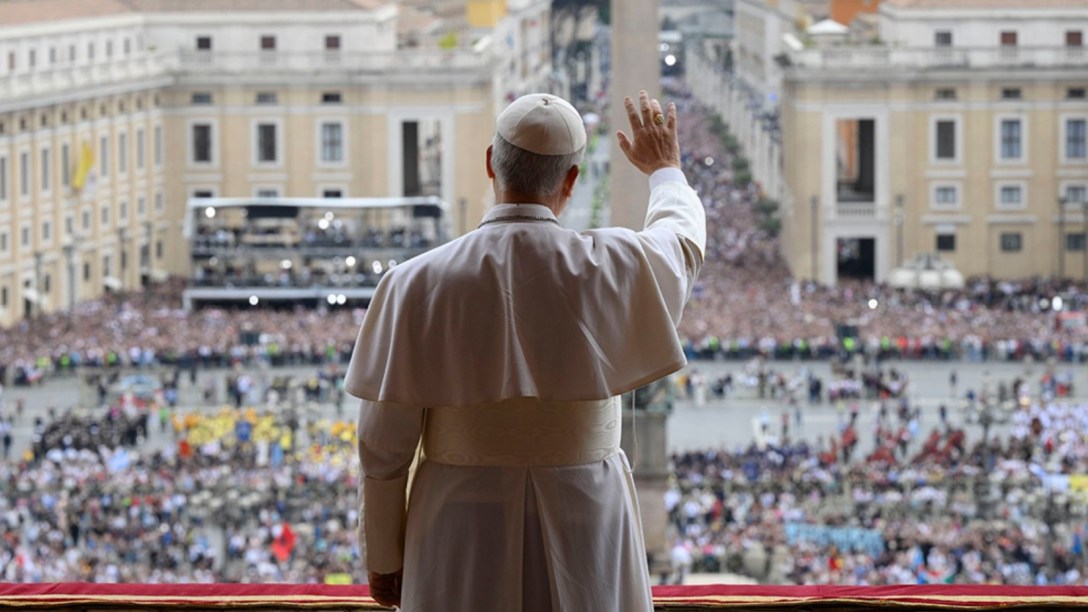
The Pope gives an Easter message from the Vatican

Updated March 2026 In 2026, for the majority of Christians, Sunday 5 April will be Easter Sunday, one of the most of the most important dates in the Christian calendar. The Pope gives a traditional Easter Message from the Vatican Easter is also widely marked by non Christians. In many countries chocolate Easter Eggs and Easter Bunnies… Continue reading Easter Sunday 5-th April

12 Feb a special day

February 12, known as Darwin Day, is significant for both Charles Darwin's and Abraham Lincoln's birthdays, but it also marks an important astronomical event. On this day in 2026, the solar time is 14 minutes behind clock time, the greatest value of the year, with solar noon occurring shortly after 12:14 PM in London.

Understanding Christmas Dates: Gregorian vs. Julian Calendar

The celebration of Christmas varies, with most Christians observing it on December 25, while Orthodox Christians celebrate on January 7 due to differences from the Julian to Gregorian calendars. These calendar changes, initiated by Pope Gregory XIII in 1582, addressed drift issues in previous systems, affecting seasonal alignment and date consistency in Christian practices.