Update 30 August 2025 I have extensively expanded and rewritten all three “A Short Guide to…” e-books. I will make these books available on Kindle for a competitive price. However, in future I won’t do any deals where I offer free or discounted prices on these books for a limited time period. I believe the… Continue reading eBooks from Explaining Science 2024
Author: Steve Hurley
Hi I am Steve Hurley. Although I work in the IT industry. I studied for a PhD in astronomy in the 1980s. My real passion is explaining scientific concepts to a non-scientific audience. My blog (explainingscience.org) covers various scientific topics, but primarily astronomy. It is written in a style that it is easily understandable to the non scientist.
Publications and videos
For links to my books and videos please visit www.explainingscience.org
The Magnitude Scale
When measuring the brightness of objects in the sky, astronomers use the magnitude scale. The basis of the scale we use today was invented by ancient Greek astronomers. They classified all the stars into six magnitudes. The brightest stars were magnitude 1, the next brightest magnitude 2 and so on. The faintest stars visible to… Continue reading The Magnitude Scale
Twice Yearly Clock Changes
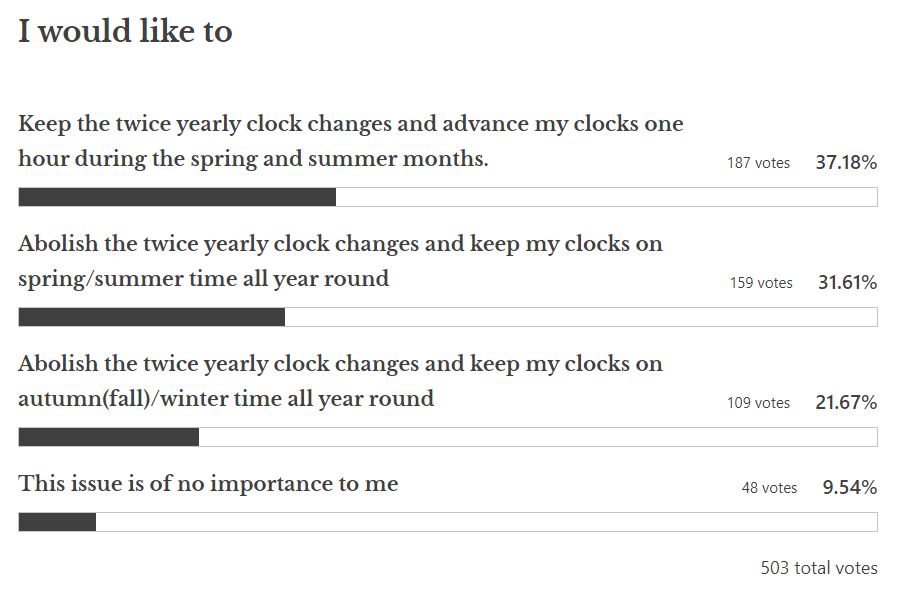
At 0100 UTC (2 AM local time) on Sunday 27 October, the UK like most of Europe will put it clocks back by one hour at is comes to an end of Daylight Saving Time. Most of the USA will follow a week later. In this post I'll give an overview of DST and why… Continue reading Twice Yearly Clock Changes
Gliese 710: The Closest Future Star Encounter
Updated 21 November 2025 In 1.3 million years’ time the star Gliese 710 is forecast to pass within 0.166 light years of the Solar System, 25 times closer than Proxima Centauri which is our current nearest star (excluding the Sun of course). The close approach of Gliese 710 will be the strongest disrupting encounter known… Continue reading Gliese 710: The Closest Future Star Encounter
September 22 2024 – the equinox
In 2024 September 22 is the date of the September equinox and is also the first day of autumn (or the first day of spring if you're one of my readers in the Southern Hemisphere). In this post I’ll talk about the equinoxes and discus the commonly held, but not quite correct, view that they… Continue reading September 22 2024 – the equinox
 Explaining Science