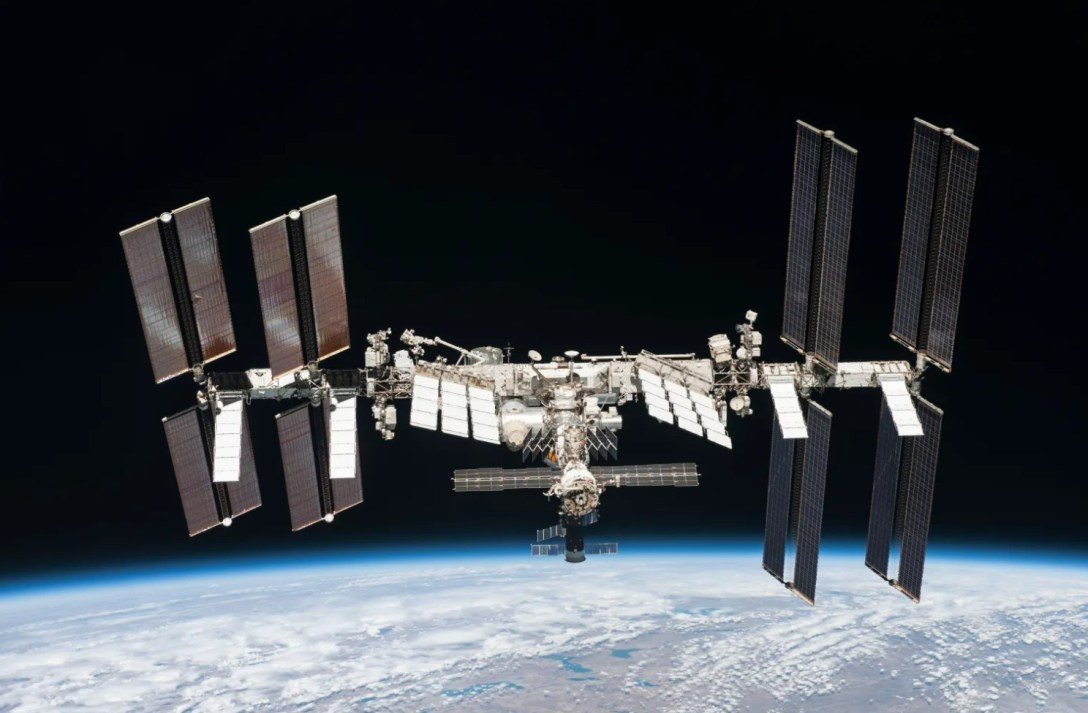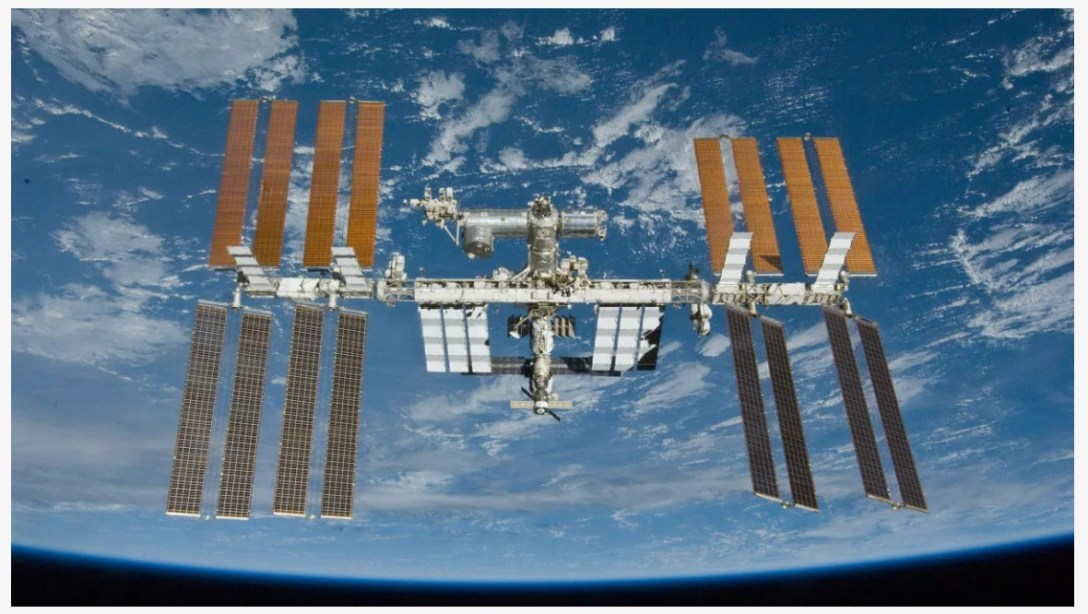
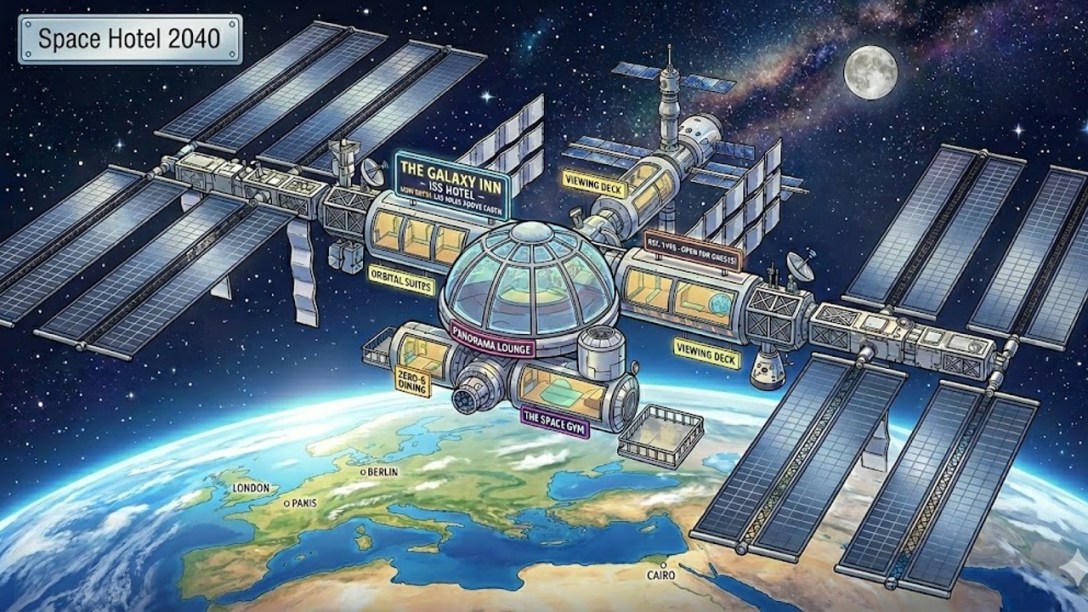
Updated May 2026 From the retirement of the Space Shuttle in 2011 until the first flight of the SpaceX Dragon spacecraft in 2020 the only way astronauts could get to and from the ISS was on the Russian Soyuz spacecraft, After a Soyuz spacecraft (Soyuz MS-10) failed to get into orbit on 11 October 2018,… Continue reading The future of the International Space Station
Category: Space
Soyuz – What next?
Many of my readers will be aware the Soyuz MS-10 spacecraft failed to get into orbit on Thursday 11 October. It was on a mission to take fresh crew to the International Space Station (ISS). Mission patch for Soyuz MS-10 A major fault occurred at an altitude of about 50 km when the booster rocket… Continue reading Soyuz – What next?
Space stations past and present
The International Space Station (ISS) is now 20 years old. In this post I’ll talk about the history of the ISS and other space stations, and I’ll also touch on some of the politics involved. Image from NASA Early space stations Although America was the first country to put a man on the Moon, the… Continue reading Space stations past and present
Jocelyn Bell and the Breakthrough prize 2018
Pulsars were first detected in 1967 by a research student called Jocelyn Bell when she was taking observations for her PhD thesis. Her supervisor, Anthony Hewish, went on to win the Nobel prize in 1974 for the discovery, and her contribution was overlooked. Many at the time felt that Jocelyn Bell should have been given… Continue reading Jocelyn Bell and the Breakthrough prize 2018
20 Years of the International Space Station: A Milestone for humans in space
The International Space Station (ISS), initiated in 1998 with the launch of the Zarya module, symbolizes global cooperation, mainly between the US and Russia. Manned since November 2000, its construction relied heavily on the Space Shuttle program. Research on the ISS focuses on microgravity effects, including impacts on human health and material sciences. Transport is facilitated by Soyuz and SpaceX Dragon spacecraft.