On 27 July 2018 there will be a total eclipse of the Moon, which will be viewable from many areas of the world. This will be the first total lunar eclipse able to be observed in the UK for nearly three years and it will be worth making the effort to see, especially since, for… Continue reading Lunar eclipse 27 July 2018
Tag: Astronomy
Astronomy Items
The Martian Methane Mystery
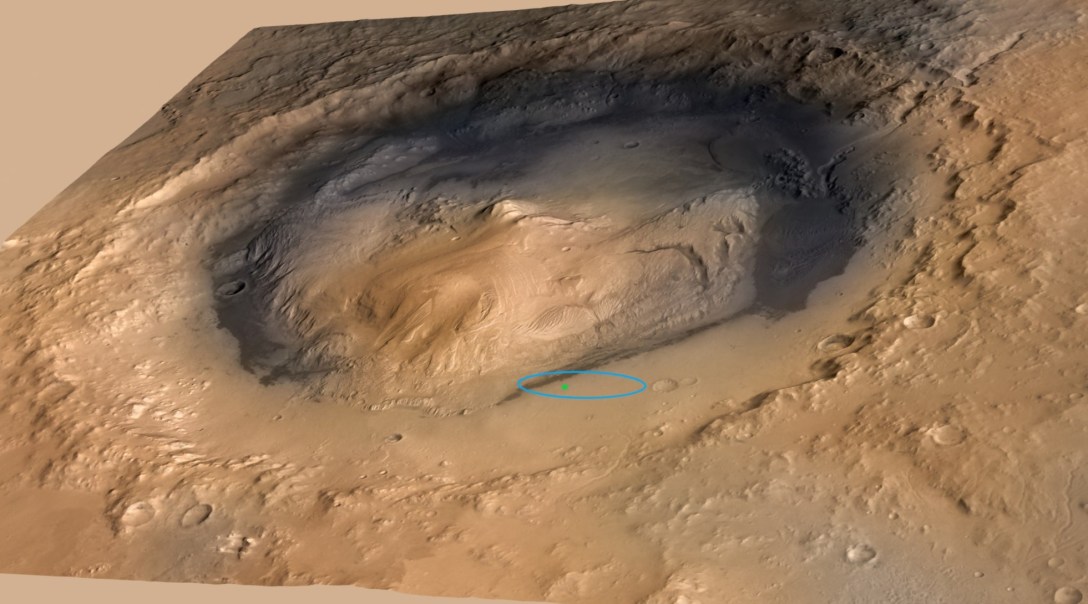
In 2014, NASA's Curiosity rover detected methane on Mars, suggesting an unknown replenishing process due to its short atmospheric lifespan. While Earth's methane largely originates from biological sources, the Martian findings remain ambiguous. Subsequent missions, including ESA's Trace Gas Orbiter, reported no detectable methane, deepening the mystery.
June 21 2018 – the solstice
This year, the June solstice will fall on 21 June. In the northern hemisphere, it is the day when there is the most daylight and when the Sun is at its highest in the midday sky. Sunrise at the solstice at Stonehenge, England - image from Wikimedia commons The origin of the word solstice is… Continue reading June 21 2018 – the solstice
The anthropic principle.
The post discusses the anthropic principle, which suggests that the laws of physics and the universe are finely tuned for life. Introduced by Brandon Carter in 1973, it highlights how slight changes in fundamental forces would prevent life. The article contrasts strong and weak anthropic principles and touches upon concepts like the Omega Point and multiverse theory.
Jupiter at opposition 9 May 2018
On May 9 Jupiter is at opposition. This event, which occurs every 399 days, happens when Jupiter is at its closest to the Earth and at its brightest. To the naked eye it is a brilliant white object, three times brighter than the brightest star. Features such as coloured bands and the famous great red… Continue reading Jupiter at opposition 9 May 2018

