Updated 15 December 2025 Ever since the pioneering work of Frank Drake (1930-2022) way back in 1960, astronomers have been looking for radio signals from extraterrestrial civilisations but all SETI searches have failed to find anything. This could be because Earth-like planets containing complex life forms (such as ourselves) are rare in the Universe and only… Continue reading The Rare Earth hypothesis
Tag: Astronomy
Astronomy Items
Galileo and the telescope
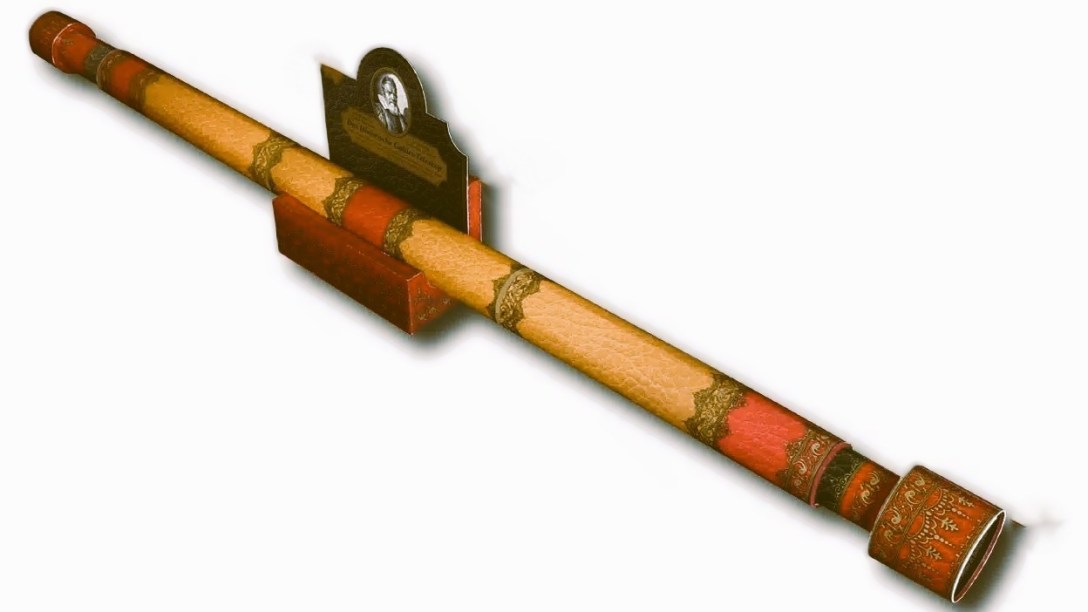
Telescopes, developed first in the early 17th century, are instruments using lenses to magnify distant objects. Galileo refined early designs for astronomical observations, notably discovering Jupiter's moons and the phases of Venus, supporting heliocentrism. Further advancements led to Keplerian telescopes, and modern reflectors surpassed refractors in size and clarity.
20 March 2018 – the equinox
Now that we are in the month of March, it is only a short time until 21 March, the first day of spring (or first day of autumn if you're one of my readers in the southern hemisphere). There is a commonly held view that 21 March is an equinox and that the equinoxes are the two… Continue reading 20 March 2018 – the equinox
Johannes Kepler
Updated 14 December 2025 My latest post is about the work of the German astronomer Johannes Kepler (1571-1630). He is most famous for his improvement to the earlier model of Copernicus by introducing the idea that the planets move in elliptical, rather than circular, orbits and that their movements in these orbits are governed by… Continue reading Johannes Kepler
Lunar eclipse 21 January 2019
On the night of 20/21 January 2019 there will be a total eclipse of the Moon, which will be viewable from many areas of the world. This will be worth making the effort to see, especially for my readers in the western USA and Canada for whom it will occur at a sociable hour. The… Continue reading Lunar eclipse 21 January 2019

