These are some of my cosmology posts
-
Understanding the Shift from ICE to Electric Vehicles
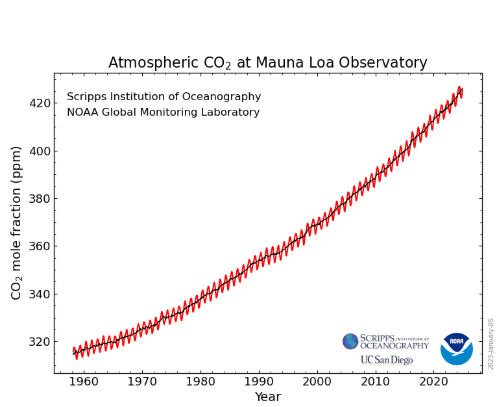
The UK is transitioning to electric vehicles (EVs) and will phase out the internal combustion engine (ICE). Challenges remain, including public charging infrastructure and EV battery costs. These posts explore these issues and highlight improvements in ICE emissions, emphasizing the need for a shift to greener transport alternatives.… Continue reading Understanding the Shift from ICE…
-
Creating Videos
I started my Explaining Science blog nearly 11 years ago in April 2014. Back then I wasn’t sure how long I’d want to keep it going. But now in 2025 I still find that I enjoy blogging very much. In July 2020, the year of the first covid-19 lockdowns in the UK, I started the…
-
eBooks from Explaining Science 2024
Update 30 August 2025 I have extensively expanded and rewritten all three “A Short Guide to…” e-books. I will make these books available on Kindle for a competitive price. However, in future I won’t do any deals where I offer free or discounted prices on these books for a limited time period. I believe the…
-
Understanding the Magnitude Scale in Astronomy
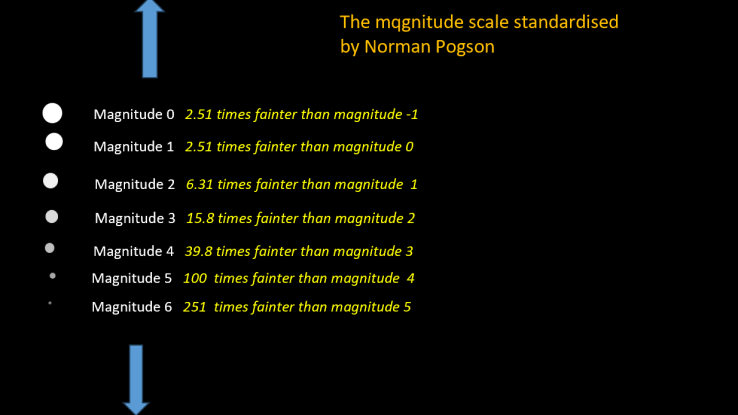
Astronomers use the magnitude scale to measure the brightness of celestial objects, originally developed by Greek astronomers. Standardized by Norman Pogson in 1856, the scale uses whole and fractional values. Today, it encompasses all luminous objects, with both apparent and absolute magnitudes.… Continue reading Understanding the Magnitude Scale in Astronomy →
-
Twice Yearly Clock Changes
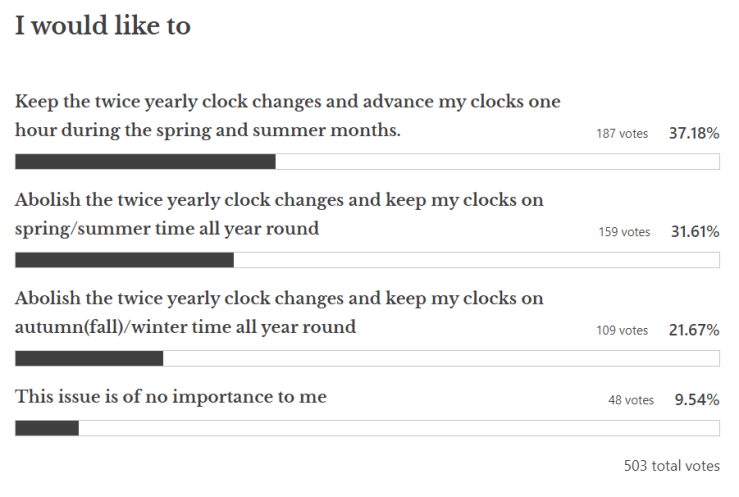
At 0100 UTC (2 AM local time) on Sunday 27 October, the UK like most of Europe will put it clocks back by one hour at is comes to an end of Daylight Saving Time. Most of the USA will follow a week later. In this post I’ll give an overview of DST and why…
-
Gliese 710: The Closest Future Star Encounter
In approximately 1.3 million years, Gliese 710 will approach the Solar System at a distance of 0.166 light years, the closest known encounter. This orange star, significantly less luminous and cooler than the Sun, could disrupt the Oort cloud, potentially sending comets toward Earth and increasing the risk of impact events.… Continue reading Gliese 710:…
-
September 22 2024 – the equinox
In 2024 September 22 is the date of the September equinox and is also the first day of autumn (or the first day of spring if you’re one of my readers in the Southern Hemisphere). In this post I’ll talk about the equinoxes and discus the commonly held, but not quite correct, view that they…
-
Guide to Observing the Perseids Meteor Shower 2024
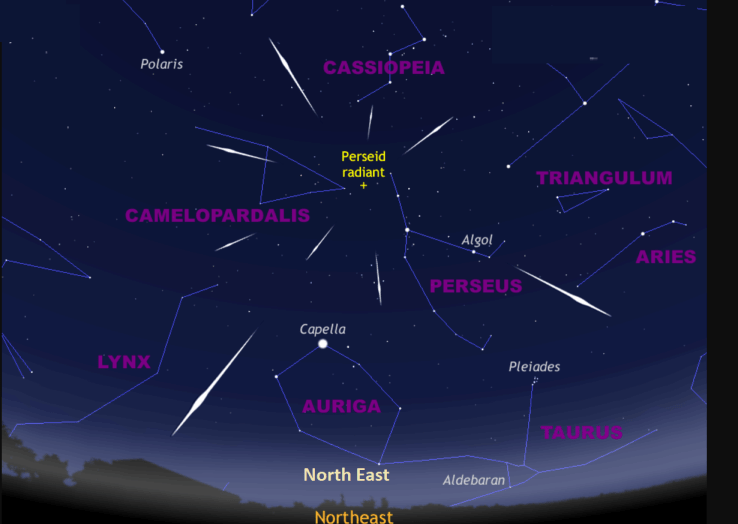
The night of 12/13 August will be the peak of the Perseids, one of the most famous prolific meteor showers. Meteors (also known as shooting stars) are bright streaks of light caused by small lumps of rock or metal called meteoroids hitting the Earth’s atmosphere at very high speed (in the case of the Perseids around 200,000 km/h).…
-
Understanding Solar Day Length Variation

Revised and updated 12 February 2026 July 25, is one of the four days a year in which the length of the apparent solar day, the natural day measured by the rising and setting of the Sun, is 24 hours. I have written about this in previous posts but I thought it be worth mentioning…
-
Starlink and other Large Satellite Constellations

Back in 2019, the year before the pandemic, many of you will have seen images of long ‘trains’ composed of up to sixty SpaceX Starlink satellites crossing the sky in a straight line. These pictures hit the headlines not only because of the number of satellites, but because of their brightness. A ‘train’ of…

