
These are some of my latest posts
-
The June Solstice at Ness Point
I saw this article on the BBC News website. about people watching the Sun rise on the June solstice at Ness Point (lat 52.481 oN, long 1.763 oE), which is the UK’s most easterly location. Source Dozens watch sunrise at UK’s most easterly point – BBC News It is impressive that 200 people got up…
-
June 21 2025 – the solstice

In 2025, for most people in the world the June solstice will fall on 21 June. For those of us living in the the Northern Hemisphere, it is the day of the year when there is the most daylight. The origin of the word solstice is from two Latin words: sol, which means Sun, and sistere, to…
-
The Oort Cloud
The Oort Cloud, theorized by Jan Oort in 1950, is a vast, icy structure beyond the Solar System, containing trillions of objects. It is divided into the sparse outer cloud and the denser, doughnut-shaped inner cloud. Evidence for its existence includes the orbits of long-period comets. Galactic tides and interactions with giant planets likely contributed…
-
Venus the Morning Star
Anybody who has observed the eastern sky just before sunrise in the last few weeks will have noticed a brilliant white object – the planet Venus, also known as the morning star. It is brighter than any other planet and at its brightest ten times brighter than Sirius the brightest star. Its brightness has often…
-
The Lyrids 2025

The night of 22/23 April 2025 will be the peak of the Lyrids, one of the most famous prolific meteor showers. Meteors (also known as shooting stars) are bright streaks of light caused by small lumps of rock or metal called meteoroids hitting the Earth’s atmosphere at very high speed. As they pass through the atmosphere they get…
-
Hydrogen-Powered Vehicles: A Green Alternative?
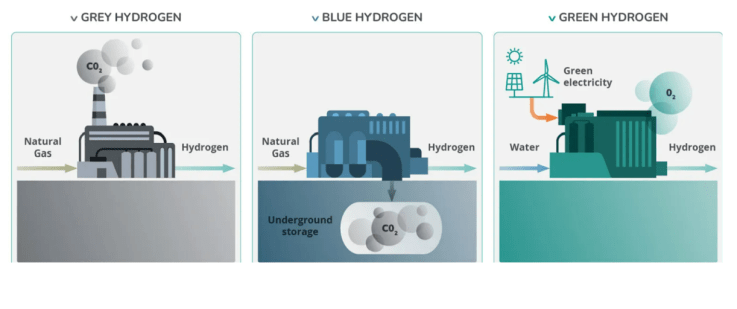
Hydrogen vehicles use fuel cells to produce electricity, but their carbon footprint remains significant due to hydrogen production methods, primarily steam methane reforming. Additionally, while hydrogen can be produced greenly, green hydrogen is currently expensive and only makes up a small portion of global production. The only hydrogen car available in the UK is the…
-
Challenges of Electric Vehicle Battery Technology
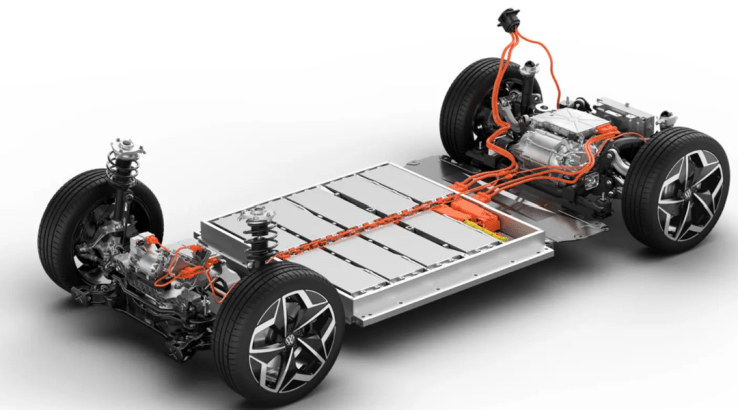
Updated November 25 2025 In what is a departure from my usual topics of astronomy and space science, I’ve written a series of posts on the transition to electric vehicles. In this post I’ll discuss the issues of the lifetime of EV batteries, their lower energy density compared to traditional hydrocarbon fuels and the secondhand…
-
Public Charging Availability: Key Issues for Electric Vehicles
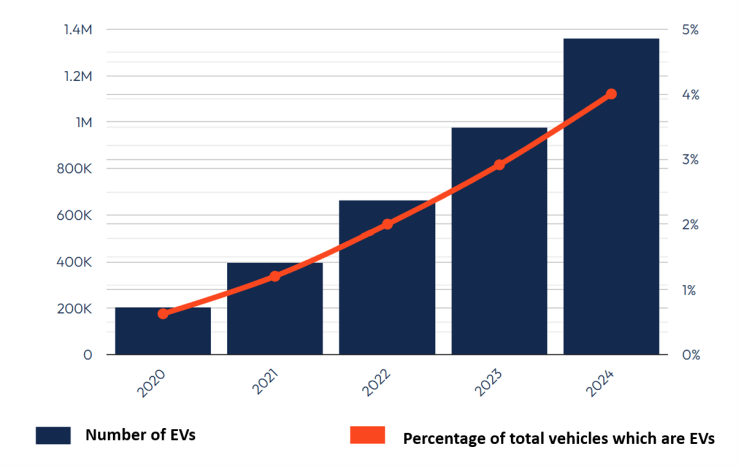
Updated 25 November 2025 In what is a departure from my usual topics of astronomy and space science, I’ve written a series of posts on the transition to electric vehicles. This is the third in this series. In this post I will discuss the issues of the lack of availability of public charging and long…
-
Electric Vehicle Range Challenges

Updated November 25 2025 In what is a departure from my usual topics of astronomy and space science, I‘ve written a series of posts on the transition to electric vehicles. This is second in this series. In this post I will discuss the issues of the limited range of EVs and the high costs of…
-
Understanding the Shift from ICE to Electric Vehicles
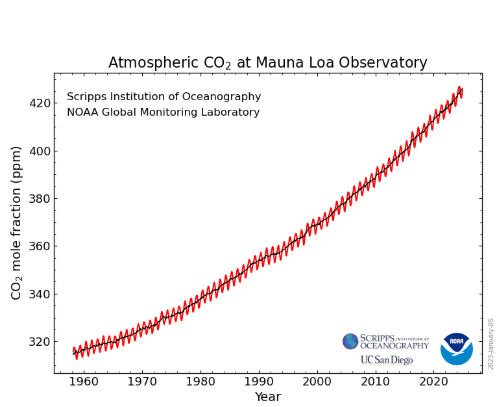
The UK is transitioning to electric vehicles (EVs) and will phase out the internal combustion engine (ICE). Challenges remain, including public charging infrastructure and EV battery costs. These posts explore these issues and highlight improvements in ICE emissions, emphasizing the need for a shift to greener transport alternatives.… Continue reading Understanding the Shift from ICE…
 Explaining Science