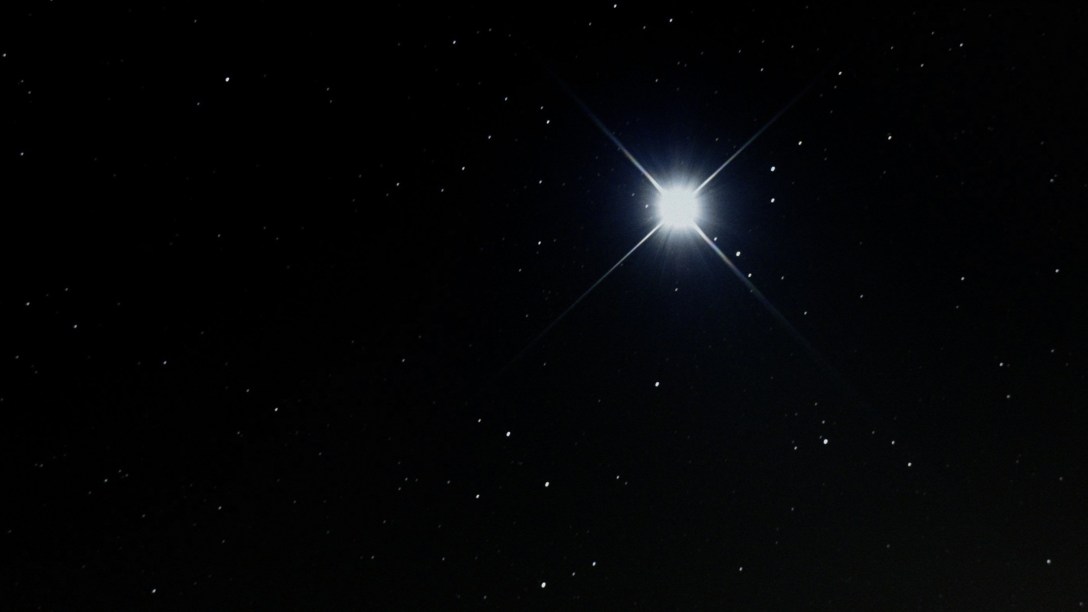
Updated Marck 2026 As most people with an interest in astronomy know, Sirius is the brightest star in the night sky. On the magnitude scale used by astronomers it has a magnitude of -1.46, easily outshining all other stars. The apparent brightness of a star depends on two factors: how luminous it is (its intrinsic… Continue reading Sirius: The Dog Star and Its History
Tag: Astronomy
Astronomy Items
Enceladus Could there be life 10 years on
Doesn't time fly ! ๐ Ten years have passed since I wrote my first post on my Explaining Science blog (originally called The Science Geek). I have decided to mark the occasion by reblogging my first ever post. Over the last ten years the question whether there are primitive life forms on Saturnโs icy moon… Continue reading Enceladus Could there be life 10 years on
December 22 2023 – the solstice
This year, the northern hemisphere winter solstice will fall on 22 December.ย On this date there are the fewest hours of daylight and, during the day, the Sun reaches its lowest elevation. The origin of the word solstice is from twoย Latin words: ย sol, which means Sun, andย sistere,ย to stand still. At the time of the winter… Continue reading December 22 2023 – the solstice
Is the Universe curved?
In this post Iโll talk about curvature, what terms such as flat, positive and negative curvature mean and how this applies to the Universe. I wonโt use complex mathematical definitions here, but intuitively curvature is a measure of how much a two-dimensional surface deviates from being flat. This concept can be extended to any number… Continue reading Is the Universe curved?
September 23 2023 the equinox
In 2023 September 23 is the date of the September equinox and is also the first day of autumn (or the first day of spring if you're one of my readers in the Southern Hemisphere). In this post Iโll talk about the equinoxes and discus the commonly held, but incorrect, view that they are the… Continue reading September 23 2023 the equinox


