In approximately 1.3 million years, Gliese 710 will approach the Solar System at a distance of 0.166 light years, the closest known encounter. This orange star, significantly less luminous and cooler than the Sun, could disrupt the Oort cloud, potentially sending comets toward Earth and increasing the risk of impact events.
Tag: Astronomy
Astronomy Items
September 22 2024 – the equinox
In 2024 September 22 is the date of the September equinox and is also the first day of autumn (or the first day of spring if you're one of my readers in the Southern Hemisphere). In this post I’ll talk about the equinoxes and discus the commonly held, but not quite correct, view that they… Continue reading September 22 2024 – the equinox
Understanding Solar Day Length Variation

Revised and updated 12 February 2026 July 25, is one of the four days a year in which the length of the apparent solar day, the natural day measured by the rising and setting of the Sun, is 24 hours. I have written about this in previous posts but I thought it be worth mentioning… Continue reading Understanding Solar Day Length Variation
Starlink and other Large Satellite Constellations

Back in 2019, the year before the pandemic, many of you will have seen images of long ‘trains’ composed of up to sixty SpaceX Starlink satellites crossing the sky in a straight line. These pictures hit the headlines not only because of the number of satellites, but because of their brightness. A 'train' of… Continue reading Starlink and other Large Satellite Constellations
Sirius: The Dog Star and Its History
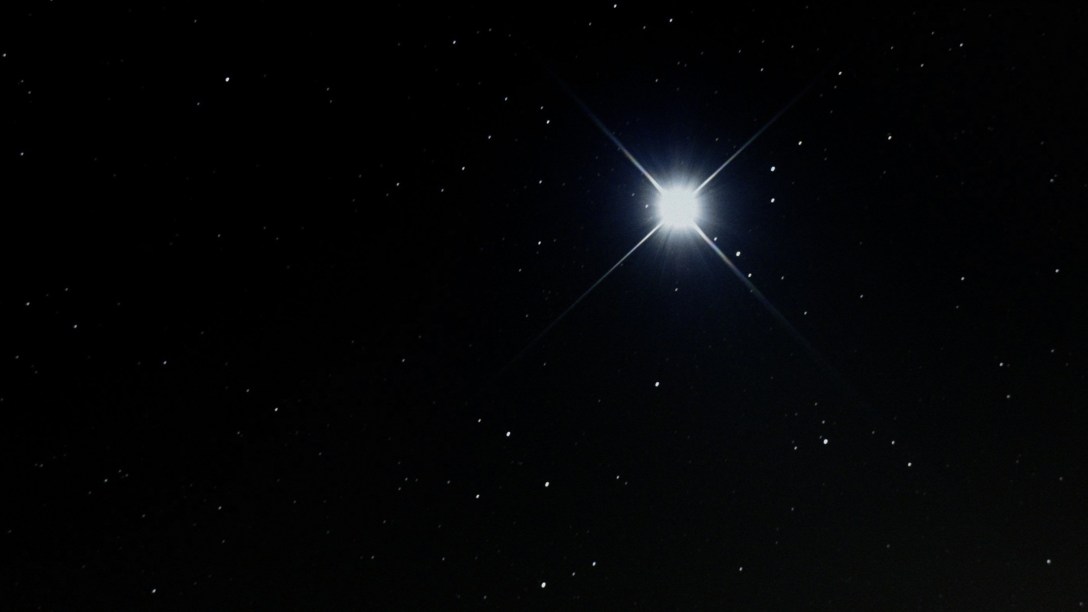
Updated Marck 2026 As most people with an interest in astronomy know, Sirius is the brightest star in the night sky. On the magnitude scale used by astronomers it has a magnitude of -1.46, easily outshining all other stars. The apparent brightness of a star depends on two factors: how luminous it is (its intrinsic… Continue reading Sirius: The Dog Star and Its History

