June 21 2021 – the solstice

This year, the June solstice will fall on 21 June.  In the northern hemisphere, it is the day when there is the most daylight and when the Sun is at its highest in the midday sky. The origin of the word solstice is from two Latin words:  sol, which means Sun, and sistere, to stand still. On the… Continue reading June 21 2021 – the solstice
The changing pole star

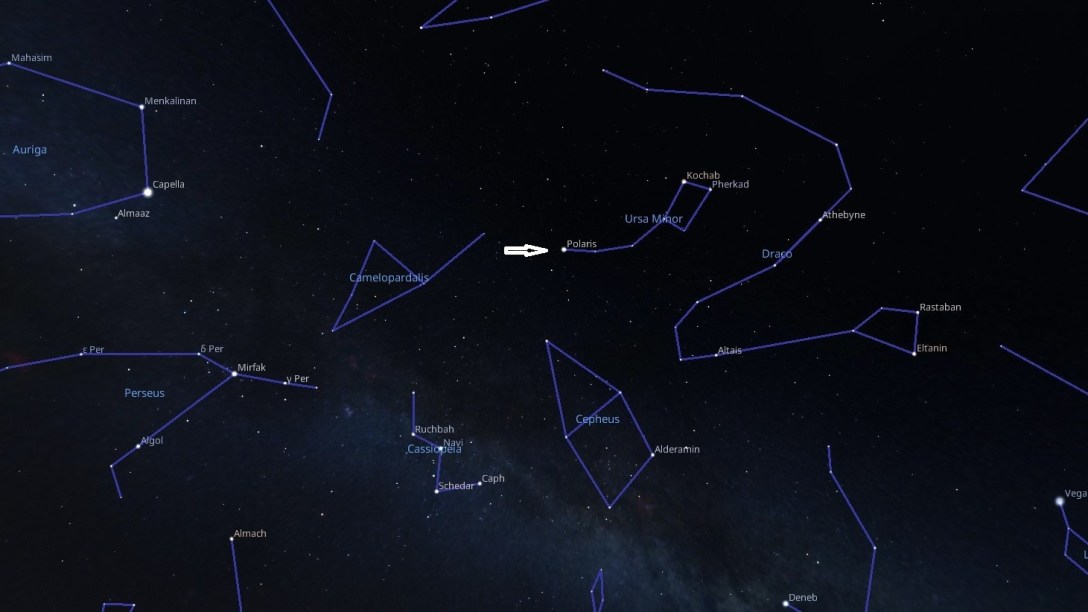
Updated 21 November 2025 Many people know that Polaris, the brightest star in the constellation Ursa Minor (The Little Bear), is also known as the pole star. Indeed, the name Polaris itself was invented in the sixteenth century and is derived from the Latin stella polaris -pole star. The location of Polaris - Image credit… Continue reading The changing pole star

Daylight Saving Time

As mentioned in my previous post, in the early hours of Sunday 27 October the clocks go back an hour throughout the European Union and daylight saving time comes to an end. Although many Europeans will welcome the extra hour in bed on the night of 26/27 October, I suspect that a lot of people… Continue reading Daylight Saving Time

Time and time zones

In this post I’ll talk about the measurement of time and the use of time zones throughout the world. This is particularly topical at this time of year.  In the early hours of Sunday 27 October the clocks go back an hour throughout the EU as Europe switches to winter time. The natural day There… Continue reading Time and time zones

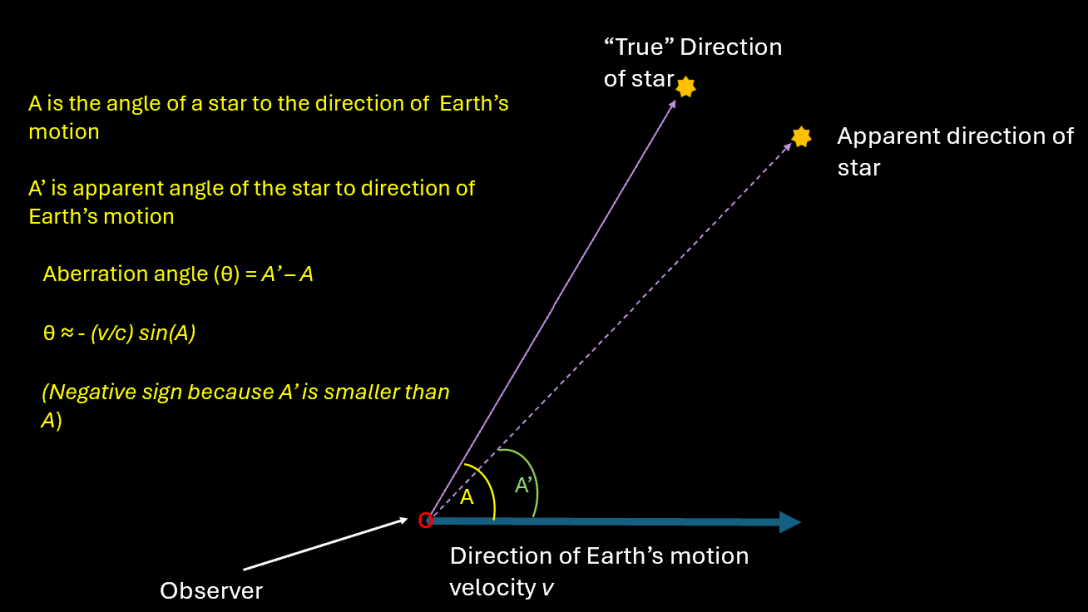
The Impact of Stellar Aberration on Astronomy and the Speed of Light Measurement

Stellar aberration was discovered by James Bradley in 1727. He observed unexpected star position shifts, confirming the heliocentric theory and enabling light speed measurement. Today, it's explained by Einstein's theory of relativity.