Anybody who has looked up into the western sky after sunset in the past month will have noticed a brilliant white object - the planet Venus, sometimes called the Evening Star. It is brighter than any other planet and ten times brighter than the brightest star Sirius. The "Evening Star" Venus next to the Moon… Continue reading The Evening Star-Venus.
Tag: Sun
The long summer evenings
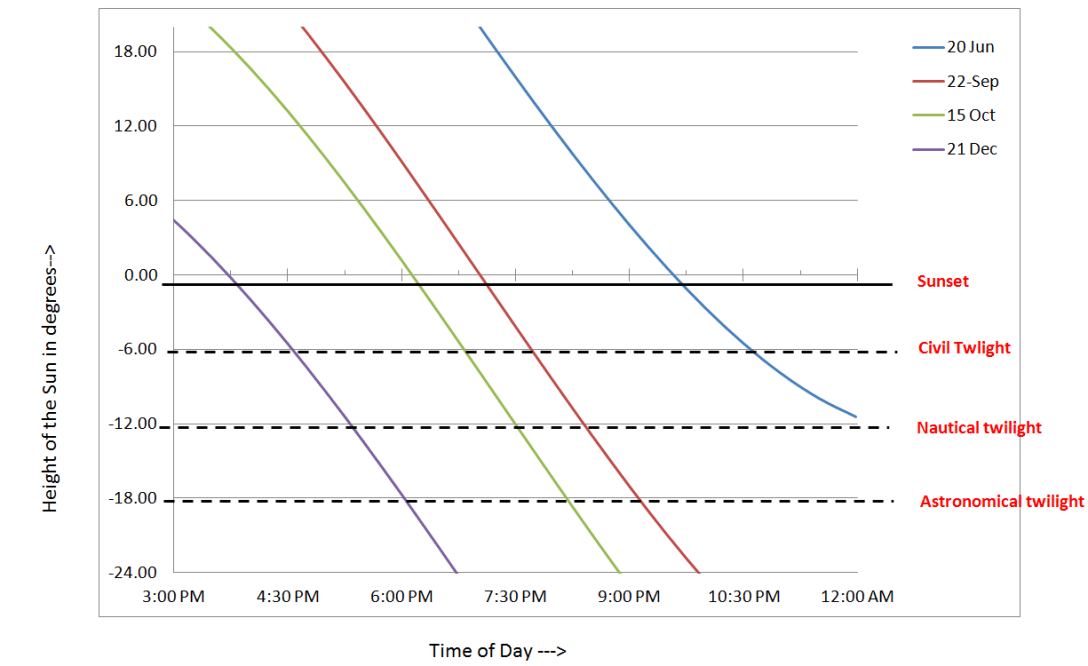
This post talks about two interesting effects to do with the way it get dark after the Sun has set. The first one, which anyone who has travelled to places lying at different latitudes will have seen, is that the closer you are to the equator the quicker it gets dark after the Sun has… Continue reading The long summer evenings
The Three Phases of Twilight Explained
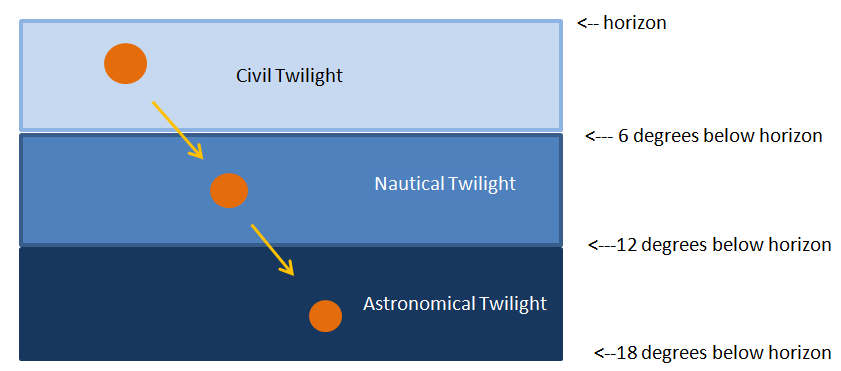
Updated 10 January 2026 Watching the Sun set below the horizon and the sky gradually get darker and darker is an almost magical experience. Twilight is that time of the day, just after sunset, or just before sunrise when the Sun is below the horizon but the sky is not completely dark. It is valued by… Continue reading The Three Phases of Twilight Explained
June 20- The Solstice
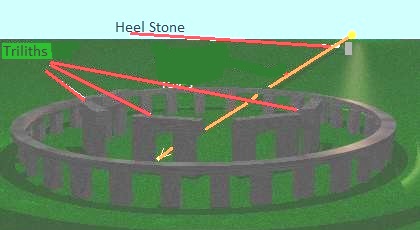
The June solstice will fall on June 20 or June 21 this year, depending on where you are in the world. It is the longest day in the northern hemisphere and the day when the Sun is at its highest in the midday sky (see note). The origin of the word solstice is from the Latin words sol,… Continue reading June 20- The Solstice
The first day of spring
Now that we are in the month of March, for most of us in the northern hemisphere the worst of the winter is over, and it is only a couple of weeks until 21 March, the first day of spring. 21 March is an important date for other reasons, too. For one thing, it is used as the basis for the… Continue reading The first day of spring
 Explaining Science