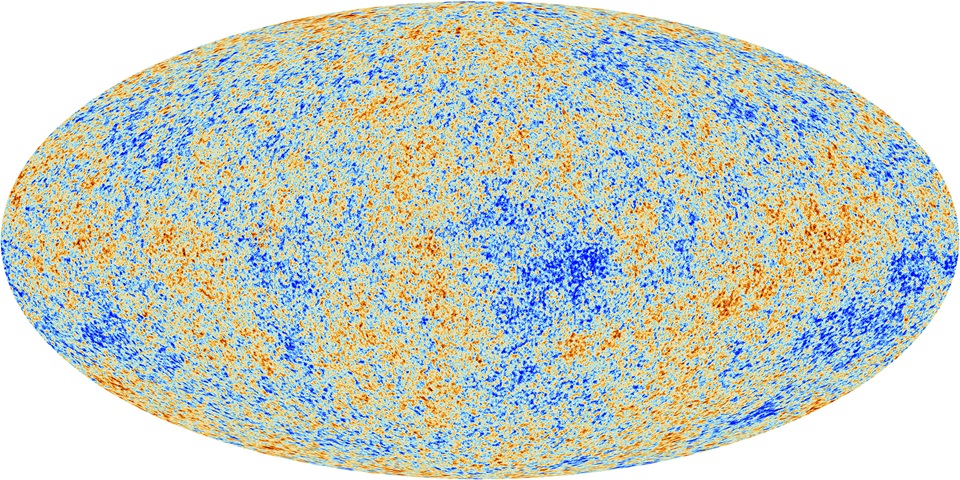
The Discovery of the Cosmic Microwave Background

Revised 1 February 2026 In 1964 two young American radio astronomers, Arno Penzias and Robert Wilson, made an accidental finding which would win them both the Nobel prize and turned out to be one of the greatest scientific discoveries of the twentieth century. The story started when Penzias and Wilson were given observing time on a large radio telescope at… Continue reading The Discovery of the Cosmic Microwave Background

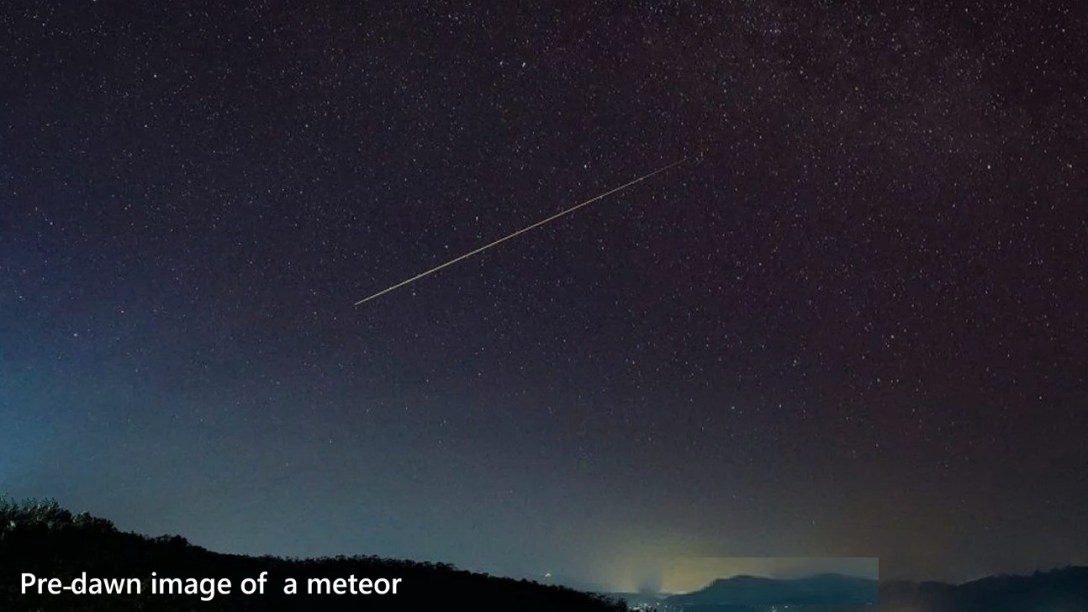
The Perseids

For  revised post containing more tips on how to view the Perseids see The Perseids 2021. On 12 August you may be lucky enough - if it's a clear night and you are somewhere without too much light pollution - to see a phenomenon called the Perseids, which is a meteor shower which appears at… Continue reading The Perseids

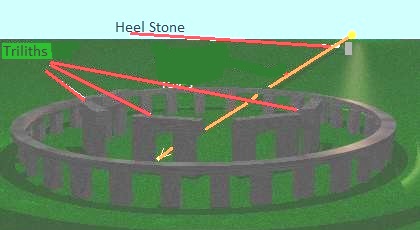
June 20- The Solstice

The June solstice will fall on June 20 or June 21 this year, depending on where you are in the world.  It is the longest day in the northern hemisphere and the day when the Sun is at its highest in the midday sky (see note). The origin of the word solstice is from the Latin words sol,… Continue reading June 20- The Solstice

Giving Venus an artificial magnetic field

As discussed in a previous post, in the far future humanity may decide to terraform Venus so that the planet has a similar temperature and atmosphere to that which currently exists on the Earth. However, the lack of a global magnetic field would cause significant obstacles to humans settling on Venus. Without this protective shield inhabitants would be exposed to the… Continue reading Giving Venus an artificial magnetic field

The Earth’s magnetic field

Revised and Updated 1 February 2026 The Earth is unique among the inner planets in our Solar System (Mercury, Venus, Earth and Mars) in that it has a strong magnetic field. It is this invisible field which causes the needle of a compass to point North that has been used by navigators for centuries and is used… Continue reading The Earth’s magnetic field