These are some of my latest posts
-
December 21 2018 – the solstice

The winter solstice, occurring around December 21, marks the shortest day in the Northern Hemisphere. This phenomenon’s significance is tied to early human cultures, illustrated by Stonehenge, which aligns with solstice events. Celebrations continue today, especially among groups like Druids and Pagans, honoring the gradual return of sunlight.… Continue reading December 21 2018 – the solstice…
-
e-book on Venus from Explaining Science
Updated 7 December 2025 Venus is, the planet closest to the Earth in size and internal composition, and the brightest natural object in the sky after the Sun and the Moon. This completly revised e-book covers most of the main areas about Venus. Why is it so bright? The 584-day cycle where Venus goes through…
-
Soyuz MS-11
On 3 December 2018 a Soyuz spacecraft will take off on a mission to transport three astronauts to the International Space Station (ISS). The new crew will be ISS Expedition 58 and will stay at the station for six months and their arrival will allow the current ISS crew to return to Earth. Mission patch…
-
Future of the International Space Station: Funding & Challenges
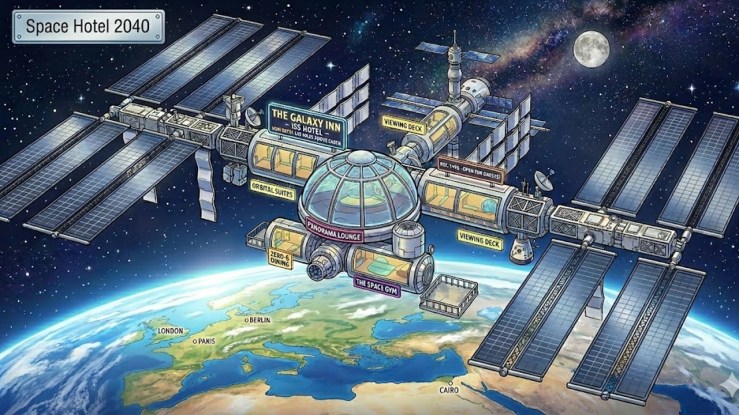
From 2011 to 2020, astronauts relied solely on Russian Soyuz spacecraft for ISS access. Following a Soyuz failure in 2018, concerns arose about ISS crew rotation. NASA’s funding for the ISS was threatened in 2018, leading to discussions on privatization. The ISS’s future options include continued government funding or controlled deorbiting.… Continue reading Future of…
-
Soyuz – What next?
Many of my readers will be aware the Soyuz MS-10 spacecraft failed to get into orbit on Thursday 11 October. It was on a mission to take fresh crew to the International Space Station (ISS). Mission patch for Soyuz MS-10 A major fault occurred at an altitude of about 50 km when the booster rocket…
-
Salyut to the ISS: A Journey Through Space Stations
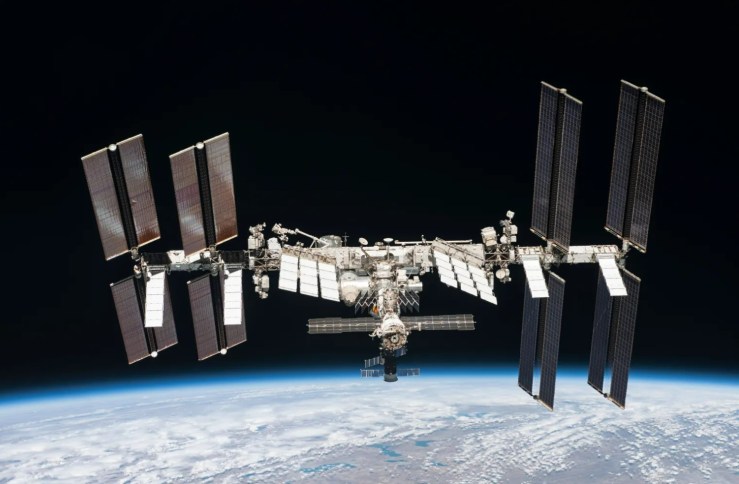
Updated June 2026 In this post I’ll talk about the history of the International Space Station (ISS) and some of the other space stations which have been constucted over the years. I’ll also touch on some of the politics involved. The International Space Station Image from NASA The First Space Stations Although America was the…
-
Recognizing Jocelyn Bell’s Contributions to Astronomy

Jocelyn Bell discovered pulsars in 1967, but her contributions were overshadowed when her PhD supervisor, Anthony Hewish, received the Nobel Prize in 1974. Despite initial lack of recognition, Bell became an advocate for women in science. In 2018, she received the Breakthrough Prize and donated her winnings to support underrepresented students in physics.… Continue reading…
-
The shortest days
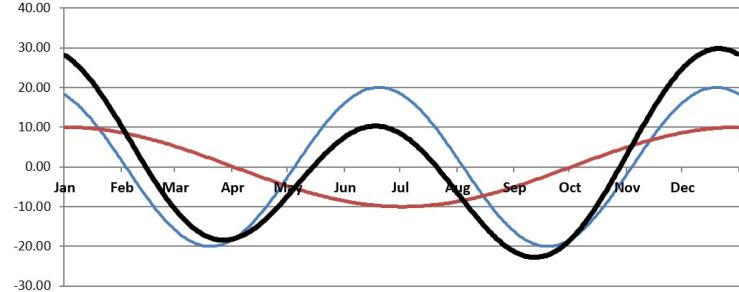
Originally posted on Explaining Science: Revised 10 September 2018 Most people are probably unaware of this but the length of a solar day, which is the natural day measured by the rising and setting of the Sun isn’t always 24 hours. It varies slightly throughout the course of the year and that September 18 is in fact the shortest solar day…
-
20 Years of the International Space Station: A Milestone for humans in space
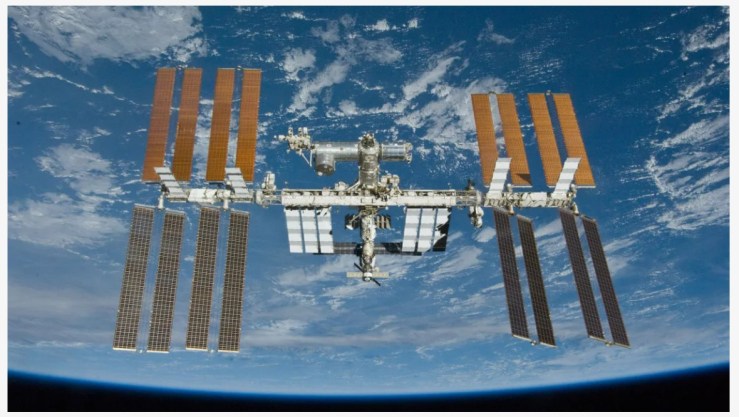
The International Space Station (ISS), initiated in 1998 with the launch of the Zarya module, symbolizes global cooperation, mainly between the US and Russia. Manned since November 2000, its construction relied heavily on the Space Shuttle program. Research on the ISS focuses on microgravity effects, including impacts on human health and material sciences. Transport is…
-
The International Space Station
Update May 2026 This post has been replaced by the post: Twenty Years of the International Space Station

