
These are some of my cosmology posts
-
The changing pole star
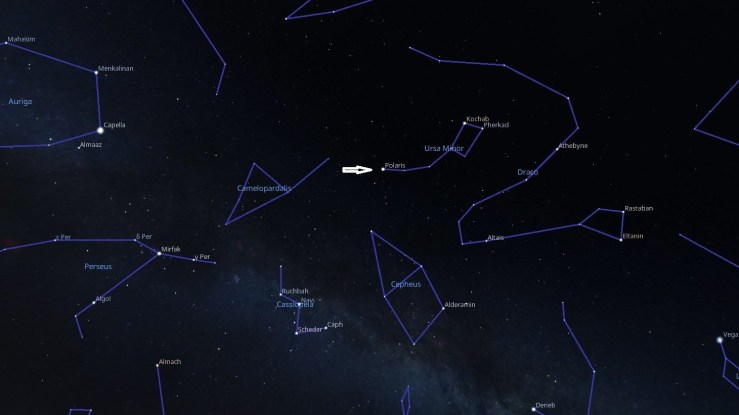
Polaris, commonly known as the pole star, is situated near the North Celestial Pole and has been used for centuries for navigation. But Polaris hasn’t always been the Pole Star and won’t be in future. This is gradually changing over a 25 800 year cycle.… Continue reading The changing pole star →
-
Life on Venus?
Many of you will have seen the story widely reported in the media of the discovery of the gas phosphine in the clouds of Venus – if not, you can find the story here: https://www.bbc.co.uk/news/science-environment-54133538. On Earth phosphine is produced by bacteria and it has led to the interesting speculation as to whether there could be…
-
Surveying the Cosmos – Part II
In a previous post I talked about the Large Synoptic Survey Telescope (LSST), a large telescope being built in Chile which will spend 90% of its time surveying most of the sky a total of 1000 times over a 10 year period (in the remaining 10% it will revisit areas of specific interest). In this…
-
11-12 August 2020 – the Perseids
For revised post containing more tips on how to view the Perseids see The Perseids 2021. Meteors (also known as shooting stars) are bright streaks of light caused by small lumps of rock or metal called meteoroids hitting the Earth’s atmosphere at a very high speed (in the case of the Perseids around 200,000 km/h). As…
-
Short Guide to the Moon – ebook
While others spent lock down perfecting their baking skills or becoming experts in home exercise routines, I have been beavering away revising and reissuing the book I originally wrote about the Moon five years ago. I am very pleased to offer this to my readers for free for the next five days, and I hope…
-
Surveying the Cosmos – Part I

In this post I’m going to talk about a new 500 million dollar telescope, the Large Synoptic Survey Telescope (LSST), being built at Cerro Pachón in Chile, and the survey of the cosmos it will be undertaking over a 10 year period. Cerro Pachón is located in the foothills of the Andes at a latitude…
-
How tides work (Original)
This post has been superseded by a later post. To view the revised post click here
-
First American crewed spaceflight since 2011
On May 27, SpaceX’s Dragon 2 capsule will launch aboard a Falcon 9 rocket sending NASA astronauts Bob Behnken and Doug Hurley to the International Space Station. The lift-off will mark the return of orbital human spaceflight from the USA for the first time since the Space Shuttle retired in 2011. To mark this event…
-
Dark Sky Places
In this post I will talk about the work of the International Dark-Sky Association (https://www.darksky.org/)and the visit I made a few years ago to the Kielder Observatory, which is in the Northumberland Dark Sky park in northern England. The International Dark-Sky Association (IDA) was founded in 1988 by David Crawford a professional astronomer, who spent…
-
Staying on the Moon
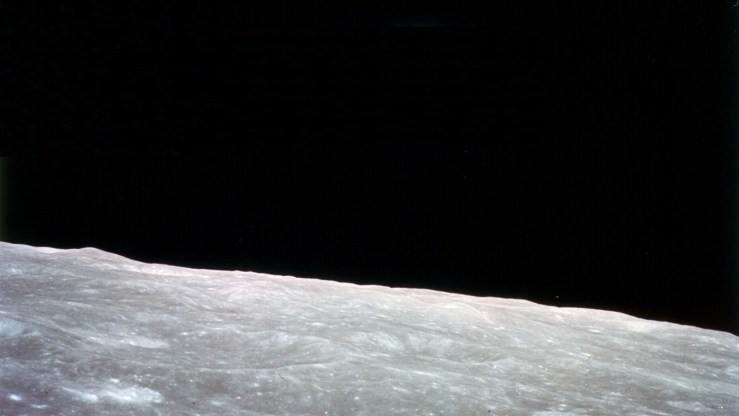
Updated April 2026 The last humans to visit the lunar surface were the Apollo 17 astronauts back in December 1972, who spent only three days there. It is interesting to consider what it would be like to be on its surface for a period of a least a month and watch at first-hand how the…

