
The night of 12/13 August will be the peak of the Perseids, one of the most famous prolific meteor showers. Earlier that evening there will a solar eclipse which will visible in northern Spain as a total eclipse. Much of Europe will see a partial eclipse. For example, in London 92.5% of the Sun will covered at its peak [1]. In this post I will talk about these two exciting astronomical events
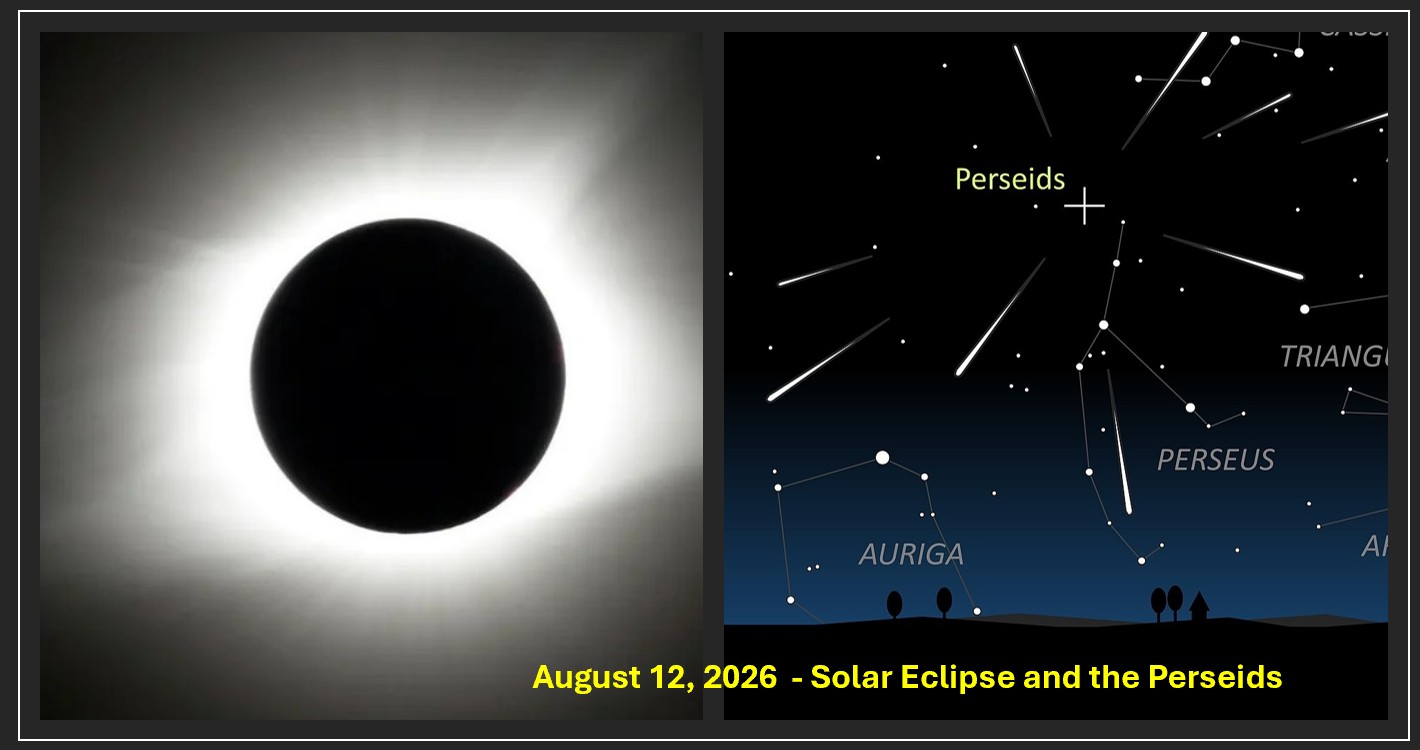
The Perseids
Meteors, Meteroids and Meteorites
Meteors (also known as shooting stars) are bright streaks of light caused by small lumps of rock or metal called meteoroids hitting the Earth’s atmosphere at very high speed. As they pass through the atmosphere they get heated up by friction to a temperature of thousands of degrees, causing them to glow and emit a streak of light as they move through the atmosphere. Most meteoroids get heated to such a high temperature that they vaporise at an altitude of 50 km or higher and disappear from view.
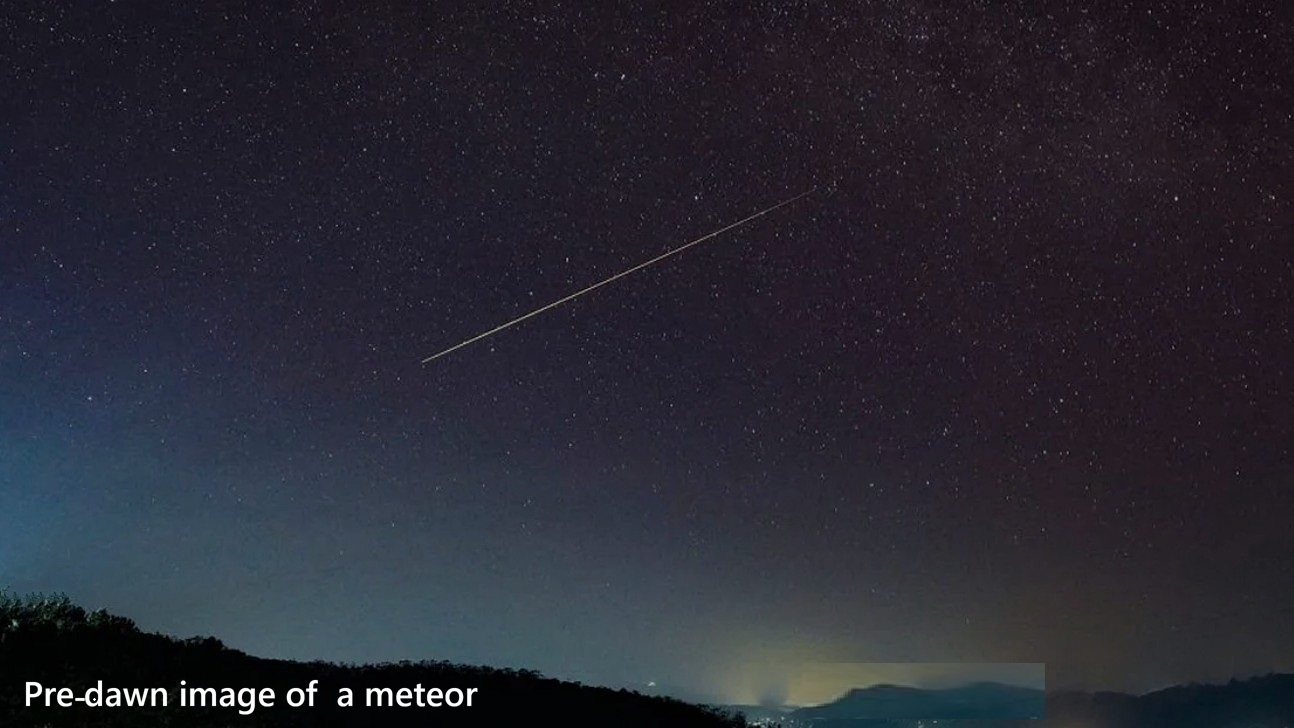
If the meteoroid is large enough, bigger than a few cm in diameter, some of it can survive the passage through the Earth’s atmosphere and the part that hits the ground is known as a meteorite.
What is the source of the Perseids?
The source of the Perseids is the Swift-Tuttle comet.
Ths orbits the Sun every 133 years. As it travels around the Sun, material crumbles away from its surface. Over a long period of time this ejected material has formed a wide elliptical ring in the same orbit as the comet.
At the same time each year, the Earth passes through this ring of debris. When this happens some of the particles hit the Earth’s atmosphere and this is the source of the Perseids meteor shower. The debris ring is fairly wide and the Earth first crosses it in late July and takes until late August to get to the other side. The thickest part of it is encountered around 12 August; so this is the date on which the Perseid shower is at its most prolific.

When is the best time to observe a meteor shower?
The diagram below shows the Earth passing through the debris cloud.
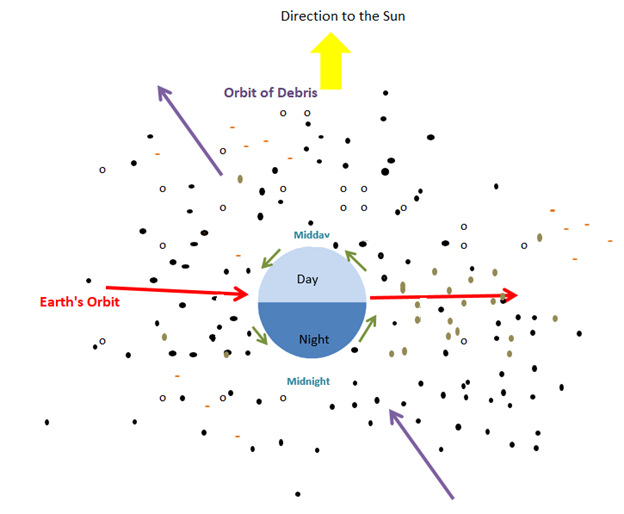
In the hours after midnight, an observer will be on the side of the Earth facing towards the Earth’s direction of travel as it orbits around the Sun. As a consequence, the Earth will scoop up more meteoroids as it passes through space. The time of day when the most meteoroids arrive is actually around sunrise but at that time the brightness of the sky makes them difficult to see. In general, the best time of day to observe the Perseids, or in fact any meteor shower, is the early hours of the morning when the sky is fully dark.
The radiant
If you observe a meteor shower over a period of time, you will notice that if you follow the meteor trails backwards, they all originate from the same place. This is particularly noticeable if you take a series of long exposure photographs and then combine them into a single image. The point in the sky from where the meteors appear to originate is called the radiant.
This is like looking at along a long straight road, the road, trees running parallel to it and structures such as power lines appear to converge at a point in the distance.
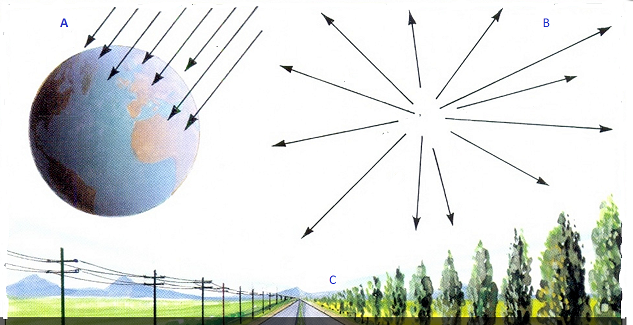
The Perseids’ radiant lies in the constellation Perseus, which gives the shower its name.

Tips for Viewing the Perseids
The good news is that there is no Moon on the night of 12/13 August, which means that sky will be as dark as possible.
- Even though there is no Moon, it is still a good idea to get away from light pollution . Choose a place where the sky is as dark as it can be . As most meteors are faint, you will see far more against a darker sky.
- Meteors can appear over a wide area and be seen well away from the radiant. So your viewing point should cover as a large an area of sky as possible and shouldn’t be obscured by trees or buildings.
- Don’t use a telescope or binoculars (unless you’re using low magnification ultra-wide angle binoculars). The area of sky covered will be small; so statistically you will be unlikely to see many meteors.
- Check the weather forecast beforehand (apologies if this is too obvious ! 😊 ). If it’s forecast to be cloudy on the night of the 12/13 August where you live then it’s worth trying to observe a day or so earlier.
- Set yourself up in a comfortable position looking high into the sky in a north-easterly direction and, because meteors are not predictable, you will need to wait patiently for at least an hour or so. Hopefully you’ll be lucky and see some meteors!!
The Solar Eclipse on 12 August 2026
On the evening of 12 August there will be total eclipse visible in northern Spain.
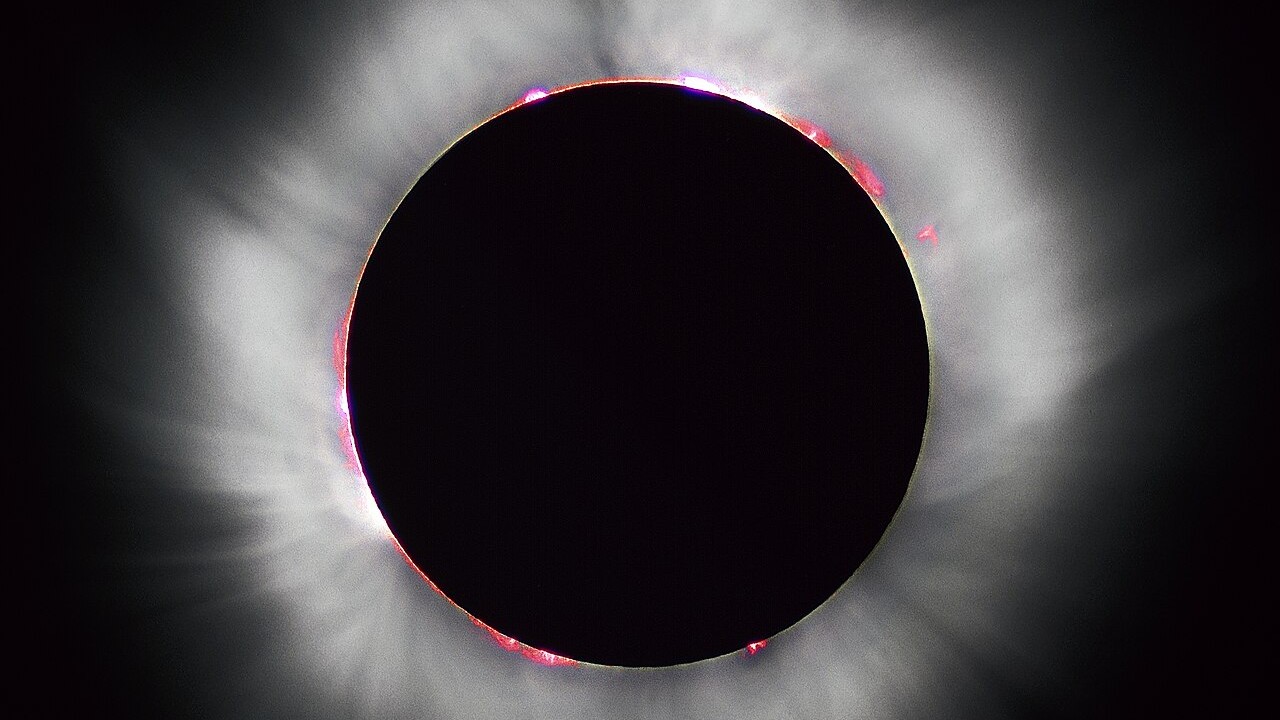
Total eclipses, where the Moon completely obscures the Sun are rare. Although there is, on average, a total eclipse visible somewhere in the world every 18 months, the region where a total eclipse, rather than a partial eclipse, can be seen is small.
Most people will only get a chance to see a total eclipse within 1000 km of where they live once or twice in their lifetime.
For example if someone was born in London England on 1 Jan 1980, lived there their entire life there, and died on 1 Jan 2080 , there would be only two total eclipses visible within 1000 km of London during their entire lifetime.
- The eclipse on 11 August 1999 in which the path of totality passed through Cornwall in the far south west of England.
- The forthcoming eclipse on 12 August 2026. The track of the eclipse is shown below. The dark purple band shows where a total eclipse can be seen. Regions either side of this only see a partial eclipse.
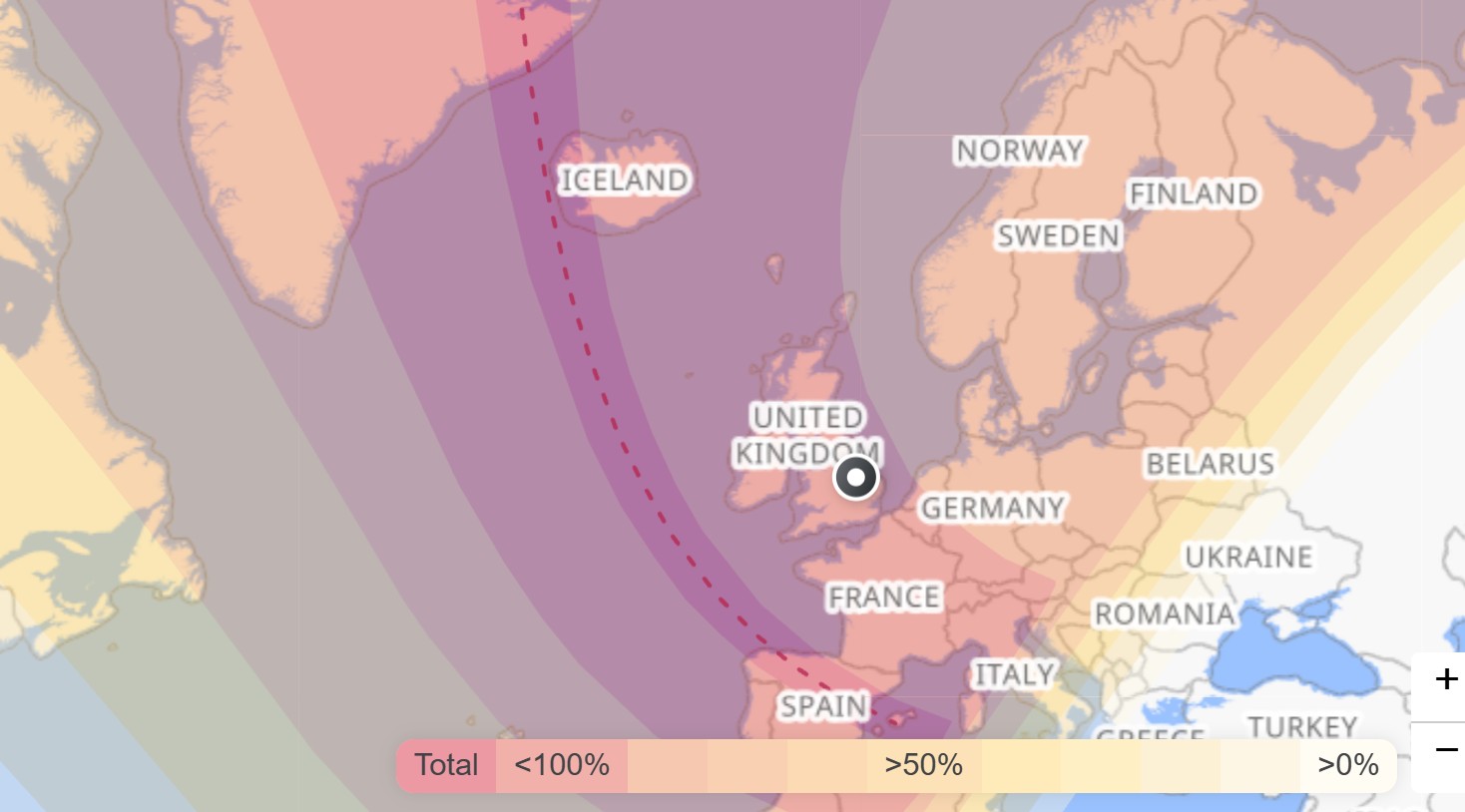
Map from Timeanddate.com [2]
Given the rarity of total eclipses, a number of friends of mine have chosen to travel the relatively short distance from the UK to northern Spain to see it. At locations in Spain at the very centre of the eclipse track (marked with the dashed purple line) the eclipse will occur at about 8:30 PM and the total phase will last around 2 minutes. I hope it is not cloudy at the time!
I have chosen the cheaper option of watching it online on one of the many websites which will be streaming it live.
Further Information
For more information about solar eclipses, please take a look at my post on the August 2017 Total Solar Eclipse.
If you want to know more about meteor showers, then there’s a video on the Explaining Science YouTube channel
References
[1] Timeanddate.com. (2026). Eclipses visible in London, England, United Kingdom. [online] Available at: https://www.timeanddate.com/eclipse/in/uk/london [Accessed 3 Aug. 2026].
[2] Timeanddate.com. (2026). Total Solar Eclipse on Aug 12, 2026: Path Map & Times. [online] Available at: https://www.timeanddate.com/eclipse/map/2026-august-12 [Accessed 4 Aug. 2026].
Discover more from Explaining Science
Subscribe to get the latest posts sent to your email.


