These are some of my cosmology posts
-
Daylight Saving Time: History, Benefits, Pitfalls and Decline

At 2 AM local time on Sunday 25 October, the UK like most of Europe will put it clocks back by one hour as Daylight Saving Time (DST) ends. Most of the USA will follow a week later. In this post give an overview of DST, its pros and cons, why this practice is falling…
-
Breakthrough Starshot: Journey to Proxima Centauri
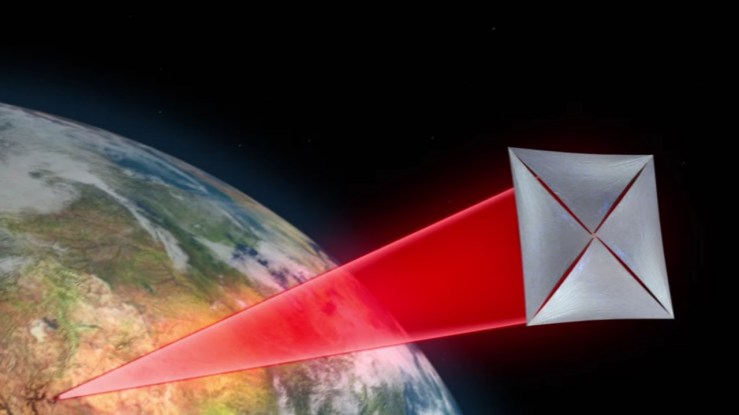
Breakthrough Starshot announced back in 2016, was an extremely ambitious project to send a fleet of miniature spacecraft powered by powerful lasers to Proxima Centauri, the nearest star to our Solar System.… Continue reading Breakthrough Starshot: Journey to Proxima Centauri →
-
Perseid Meteor Shower and Solar Eclipse on August 12, 2026
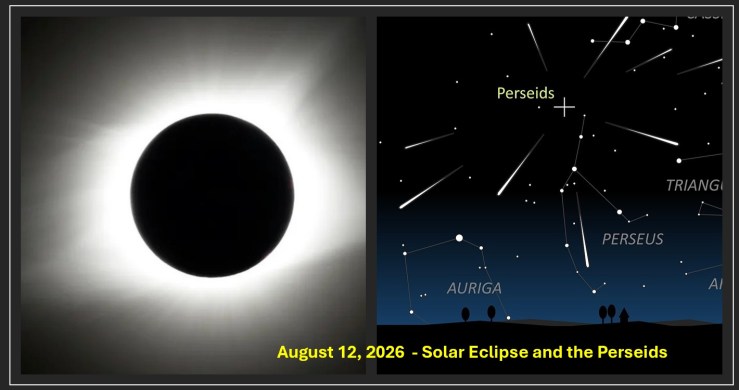
On the night of August 12/13, the Perseids meteor shower will peak, coinciding with a solar eclipse visible as a total eclipse in northern Spain and a partial eclipse in much of the remainder of Europe. … Continue reading Perseid Meteor Shower and Solar Eclipse on August 12, 2026 →
-
Challenges of Colonising Mars: The Harsh Reality
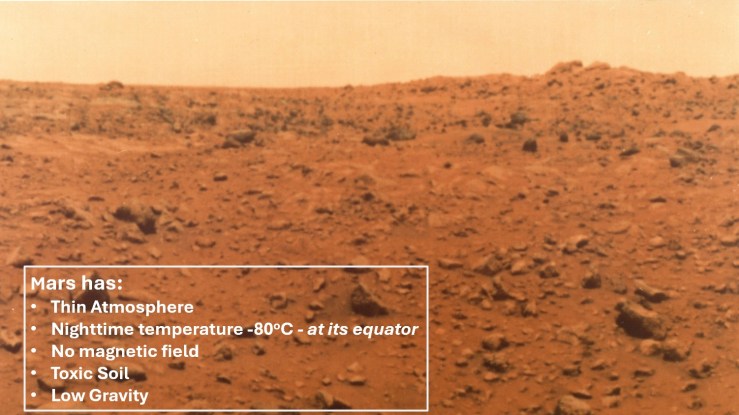
Mars presents significant challenges for human colonisation, featuring a thin atmosphere composed mainly of carbon dioxide, extreme cold, and high levels of toxic perchlorates in the soil. Its lack of a magnetic field would expose any future inhabitants to harmful radiation, complicating survival. Understanding these factors is crucial for future exploration and habitation.… Continue reading…
-
Heat Loss: Antarctica vs Mars at -80°C
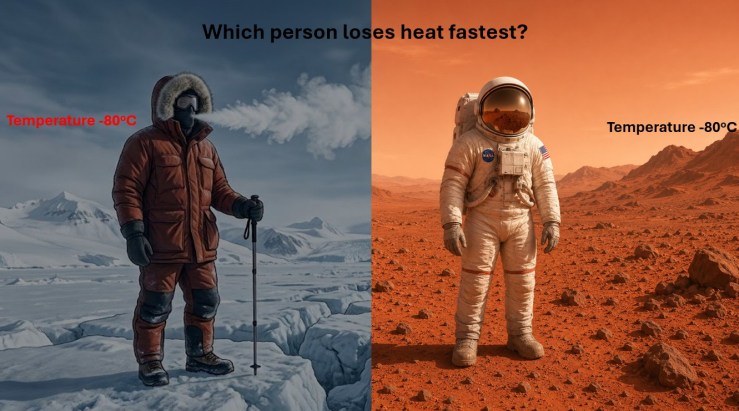
This post considers the ways in which humans wearing protective cold weather clothing in the Antarctic winter at minus 80, and insulated spacesuits on Mars, also at minus 80, lose heat to the environment and arrives at the interesting conclusion that it is easier to stay warm on Mars at very low temperatures… Continue reading…
-
Why Social Media Fails at Accurate Astronomy Content
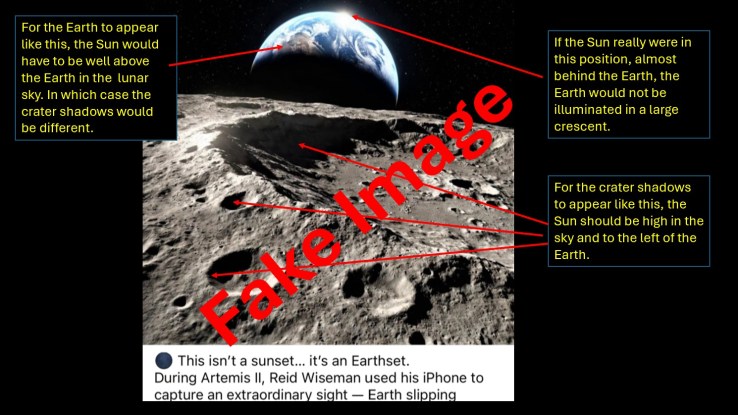
The proliferation of social media accounts sharing astronomical content has led to a significant amount of misleading and inaccurate information, primarily driven by engagement rather than accuracy. Facebook’s algorithm favors sensationalist, low-effort posts, often created with minimal knowledge, diminishing the reliability of astronomical information on the platform.… Continue reading Why Social Media Fails at Accurate…
-
The Difference Between Planetary Rotation Period and Day Length
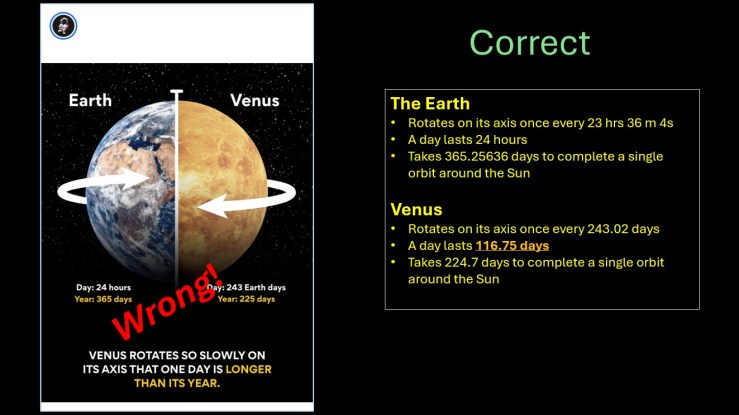
The post clarifies the distinction between a planet’s rotation period and its day length, emphasizing that for planets like Venus and Mercury, these can differ significantly. It explains the calculation of a day length and examines prograde and retrograde rotation, revealing misconceptions found in popular science. … Continue reading The Difference Between Planetary Rotation Period…
-
How the Earth’s Rotation affects timekeeping
The standard unit of time in the SI system is the second, historically defined as 1/86400th of a mean solar day. The modern definitions since 1967 is based upon a caesium atom transition. The Earth’s rotation is gradually slowing down meaning that in thousands of years’ time the second may need to be redefined to…
-
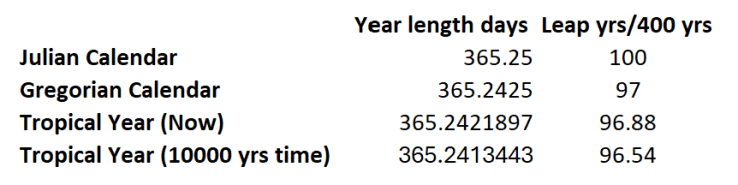
The Three Types of Year: Sidereal, Tropical, Anomalistic

The post explains that a year is defined by Earth’s orbital motion around the Sun, encompassing three types: the sidereal year (365.256 days), the tropical year (approximately 365.242 days), and the anomalistic year (365.259 days). It discusses their lengths, differences, and the implications for calendars, notably the transition from the Julian to the Gregorian calendar…
-
Perfect Numbers
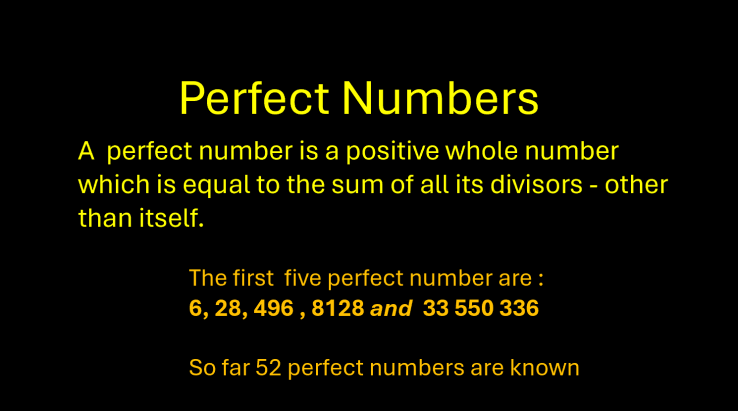
Explores perfect numbers, defined as positive integers equal to the sum of their proper divisors. Examples include 6, 28, and 496, with only 52 known today. It discusses mathematical properties, unsolved questions about odd perfect numbers, historical significance, and the connection to Mersenne primes, highlighting their allure across centuries.… Continue reading Perfect Numbers →

